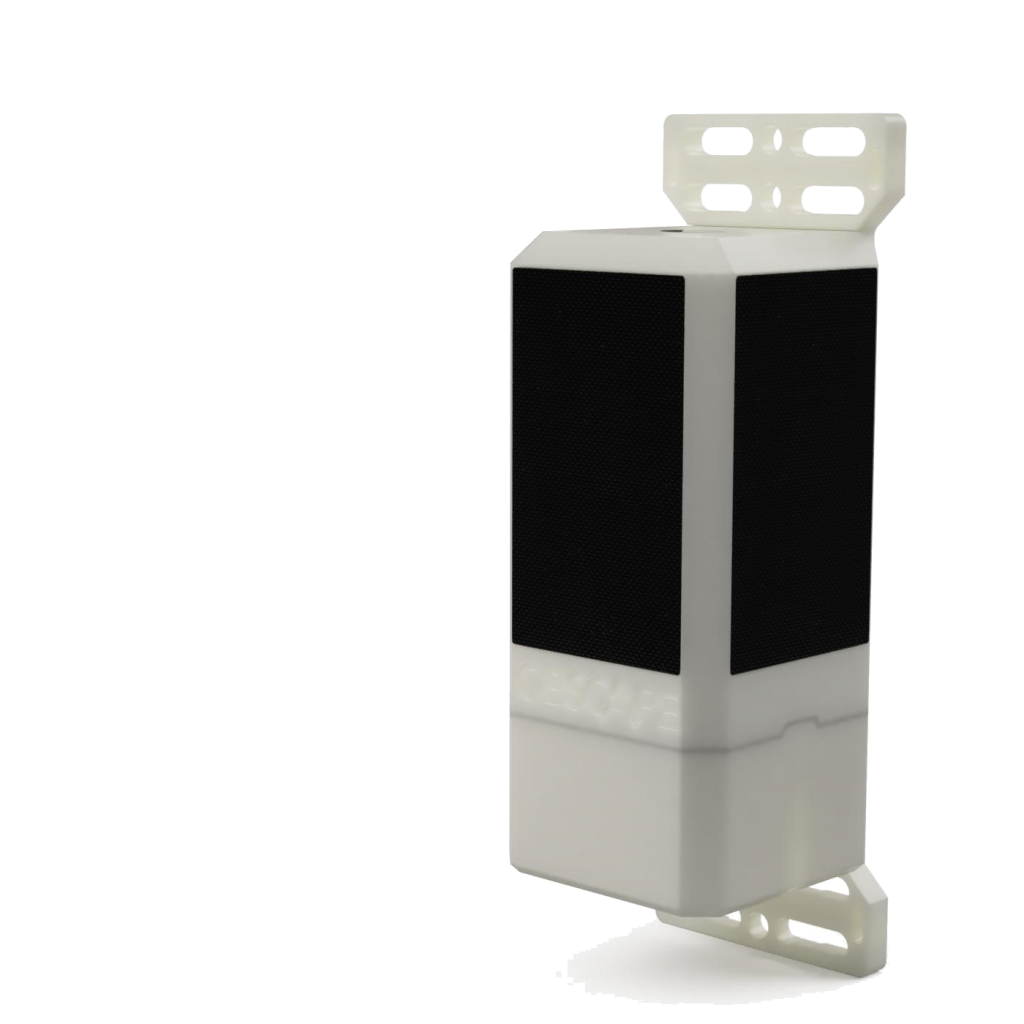
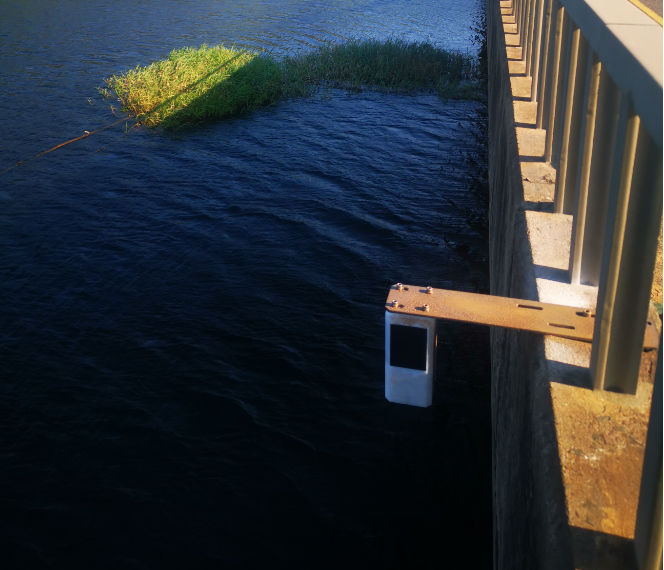
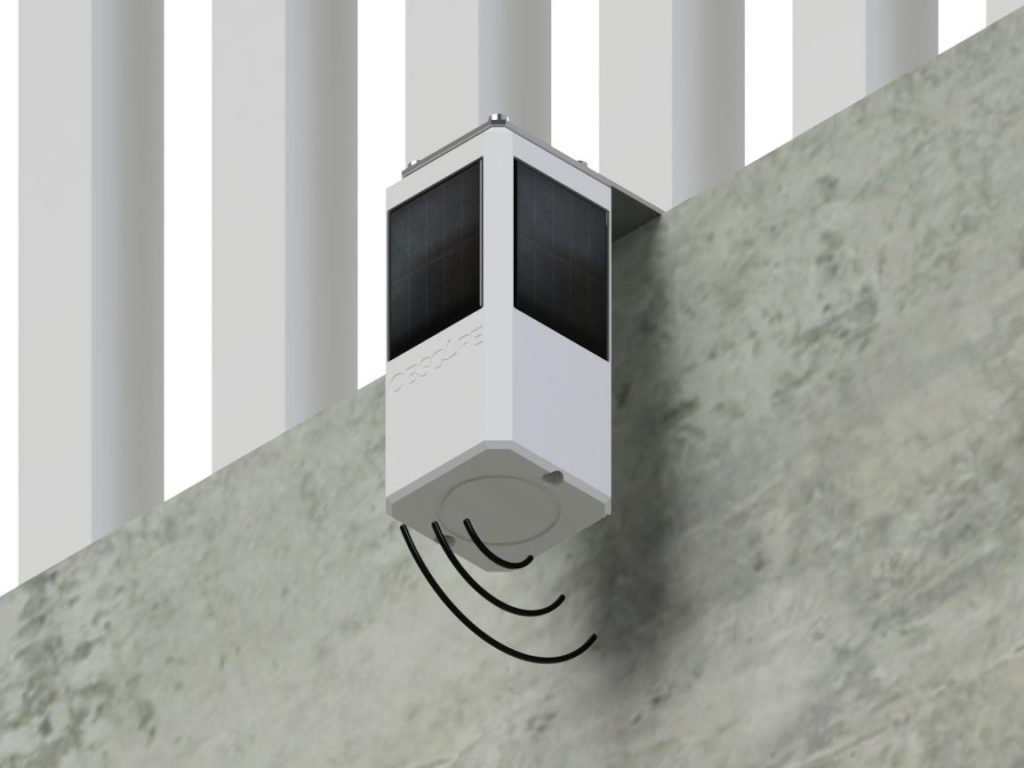
Obscape’s Level Gauge delivers real-time water level measurements. It records the water level using a highly accurate radar sensor. Since the instrument is mounted above the water surface, deploying it in the field is easy. Water level monitoring plays an important role in monitoring natural or man-made water systems. The Level Gauge is suitable for application in ports, rivers, estuaries, canals, manholes, and storage basins. The instrument measures the distance to the water surface using an industry-standard radar sensor. It is mounted above the water surface, which avoids costly and labour-intensive underwater operations. The 40-metre range of the Level Gauge will cover even the most extreme water level variations.
Key Features:
Read More:
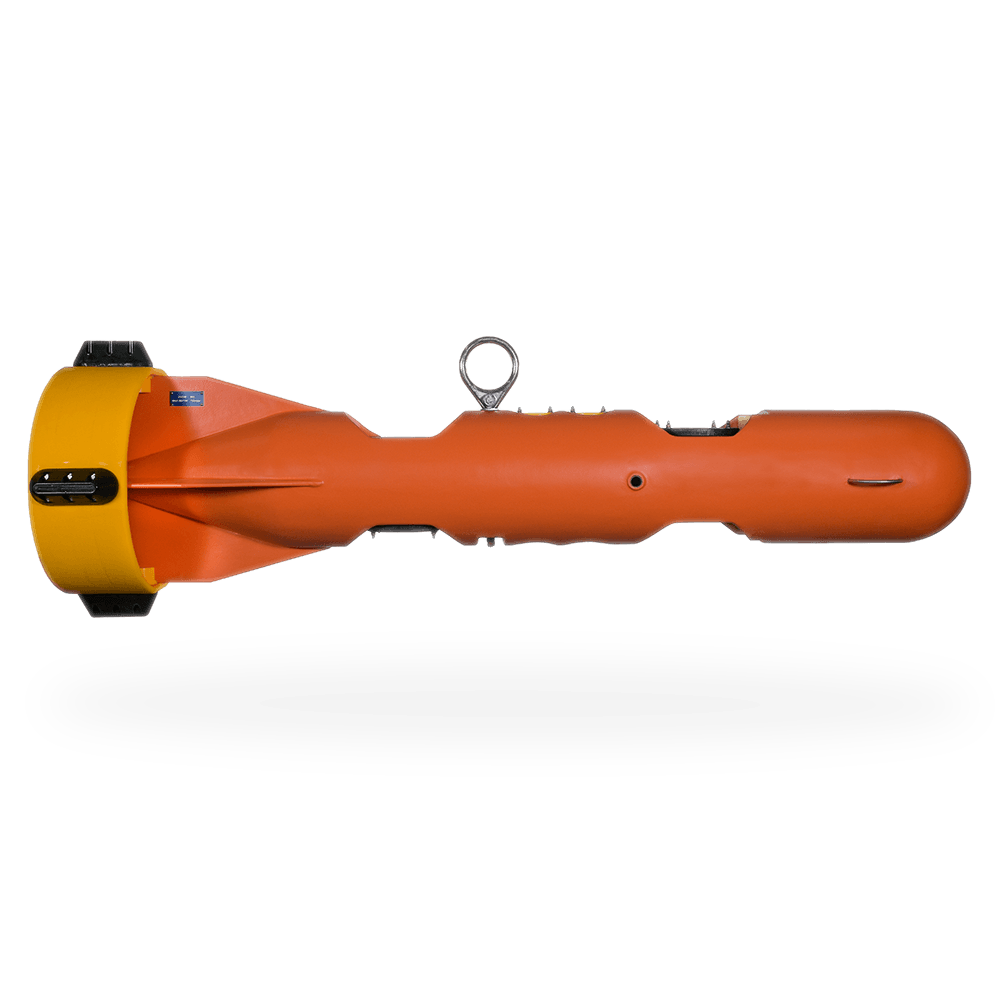
Up to 25-hour mission duration
Speeds up to 4.2 knots
Increased module payload capacity
Search and recovery
Hydrography
Deep sea mineral exploration
Marine & Fisheries research
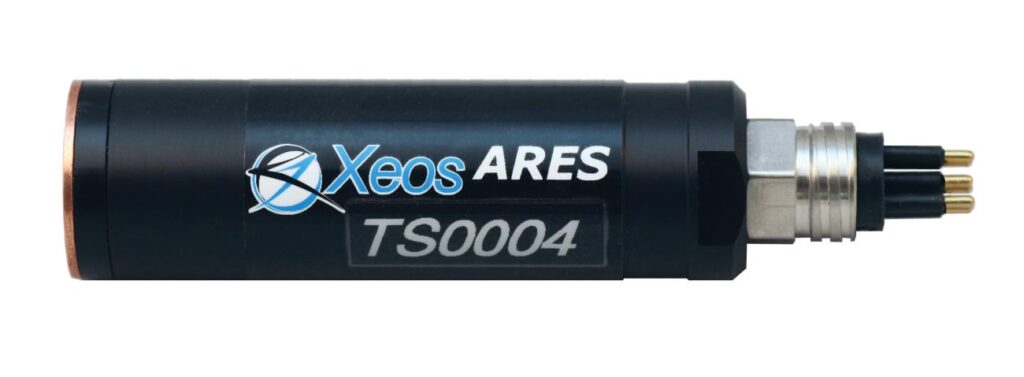
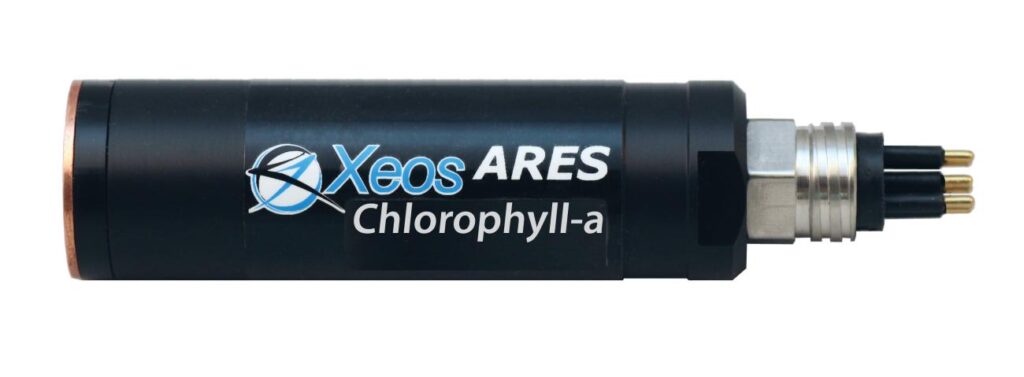
The Xeos Ares Duo is an all-in-one turbidity and chlorophyll-a sensor designed for easy integration to measure key water quality parameters.
Read moreA highly accurate real-time wave measurement system that reports the non-directional wave spectrum including wave height, wave period, and more.
Read moreEOFY Highlights: Recognising the Achievements of the BlueZone Commercial Team
As we close out another financial year, it’s the perfect moment to reflect on the dedication, passion, and hard work that has defined the BlueZone Group Commercial Team over the...
Read MoreGreensea IQ assert control beneath the waves
$18m contract award will hand divers control of seabed survey and EOD. Since 2023, Greensea IQ has been helping armed forces take control of one of the most difficult...
Read MoreBeyond Line-of-Sight: Enabling Over-the-Horizon Autonomy with USV Relay Architectures
As maritime operations push further into contested and communications-limited environments, the question, “can the Royal Australian Navy project autonomous capability beyond the horizon?”, is looming large. BlueZone Group and SeeByte...
Read More