Xeos Brixo-X

Wave Height Sensors

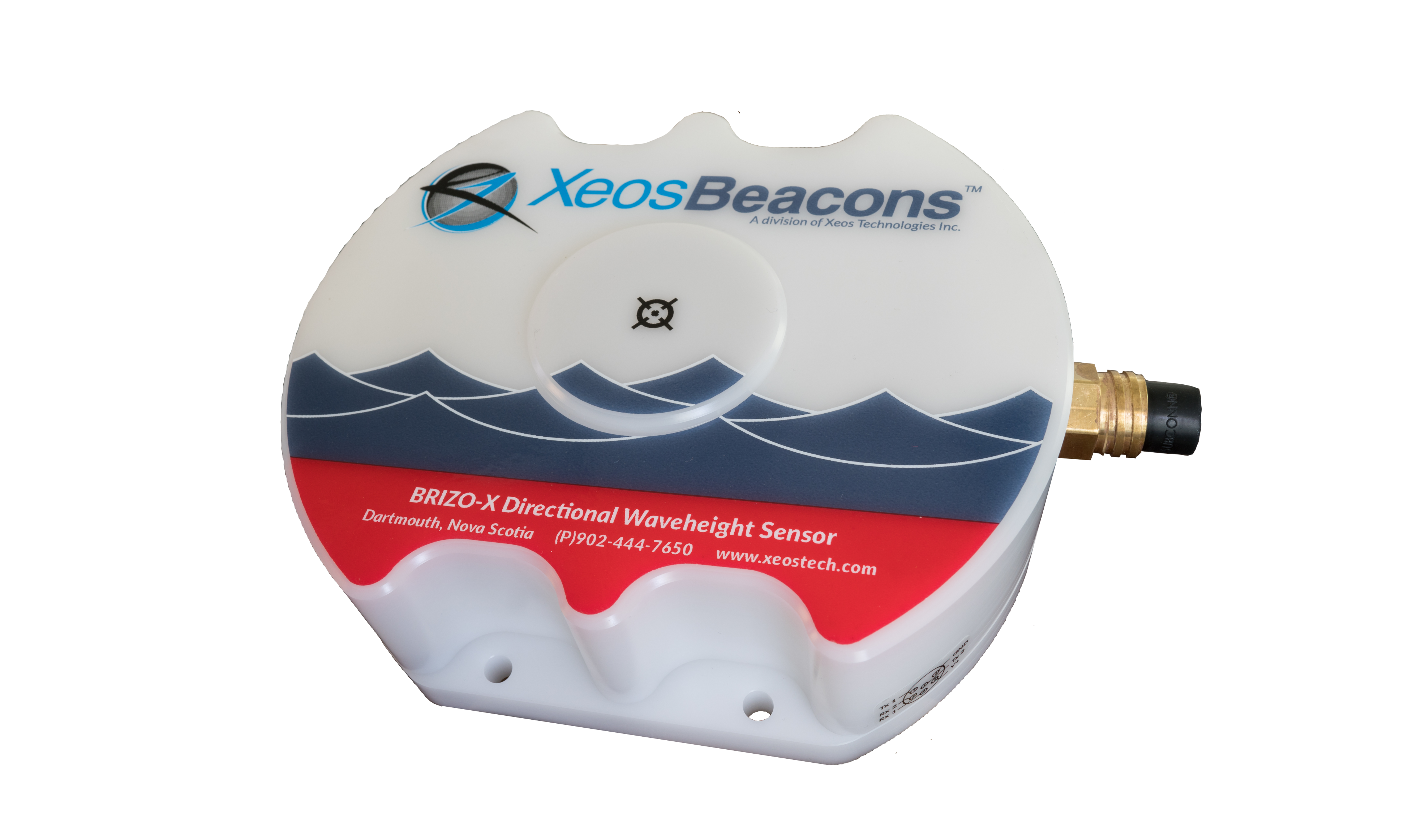
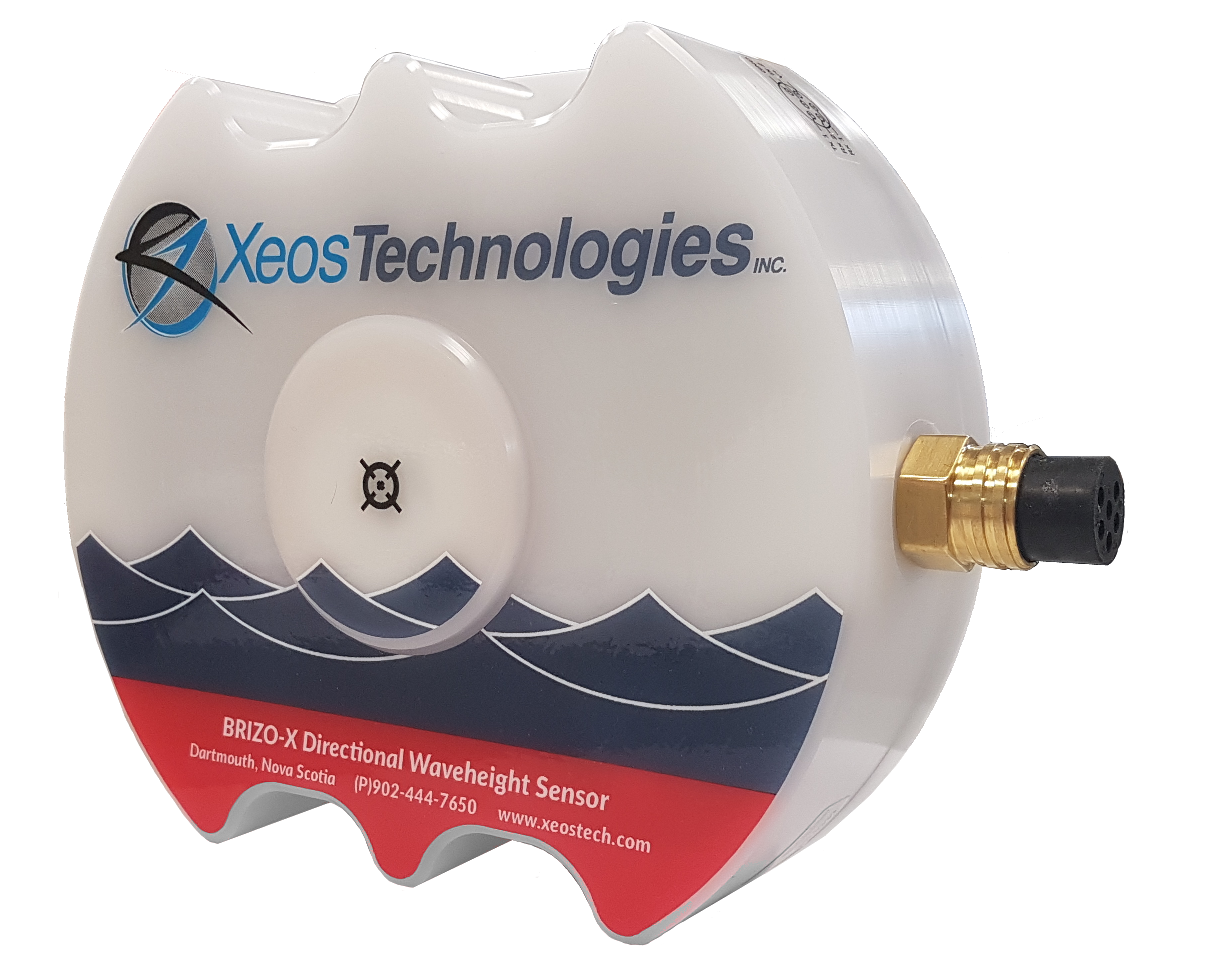
The Brizo-X Directional Wave Height Sensor utilizes Global Navigation Satellite System (GNSS) to measure wave statistics. Since the Brizo-X does not use a compass or accelerometer, no calibration is required. The sensor is housed in a fully Weather and Waterproof Enclosure for the most rugged environments. The sensor runs autonomously and can output over RS-232 or send messages over one of the embedded telemetry options available.


Key Features:

  • Measures wave height & direction
  • Wave Motion Sensor using GPS and GLONASS, L1 & L2 Signals
  • Integral GNSS Antenna for ease of deployment
  • EasyGO Deployment: Activate, Mount, Power
  • Fully Weather and Waterproof Enclosure, for the most rugged environments
  • Internal Logger


Read More:

Xoes Brizo-X Datasheet

Contact the team at BlueZone for more information.

Key Features

Up to 25-hour mission duration

Speeds up to 4.2 knots

Increased module payload capacity

Search and recovery

Hydrography

Deep sea mineral exploration

Marine & Fisheries research

Product Enquiry

    Product Enquiry


    Related Articles

    Autonomous Advantage: Bayonet 250 in the Littoral Battlespace

    The surf zone remains one of the most dangerous and least understood environments in military operations, concealing mines, unexploded ordnance, and obstacles that threaten both personnel and mission success. Traditionally,...

    Read More

    From Contact Detection to Diver Deployment: Enhancing Police Search Operations with SeeByte

    Survey smarter. Investigate faster. Recover with confidence.   When police dive teams are called to investigate a submerged vehicle, recover critical evidence, or conduct a search and recovery operation, every...

    Read More

    AQUAscat® 1000R: Advancing Sediment Research with High-Resolution Acoustic Profiling

    What if a single instrument could reveal both sediment concentration and particle size throughout the water column in real time?   Understanding how sediment moves through rivers, estuaries, coastal environments,...

    Read More