
SPHERICAL ADCP BUOYS & FLOTATION (SYNTACTIC)
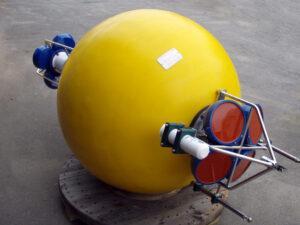
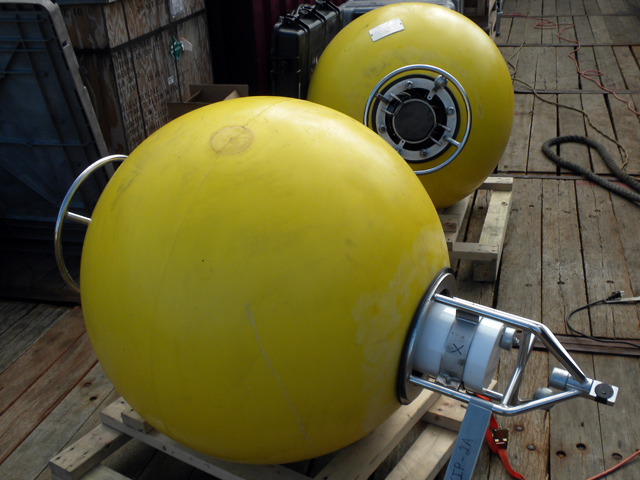
Mooring Systems, Inc. manufactures spherical shaped subsurface buoyancy for ADCP buoy applications with integral stainless steel instrument mounting frames, or with single strength members for use as primary or back-up mooring flotation. Spherical buoys with internally mounted instruments will greatly reduce current drag and improve mooring performance. ADCP transducers and other sensors can be better directed up to the surface when mounted inside the well of syntactic buoys. Using a fewer number of floats by increasing the diameter of the float will also greatly reduce horizontal drag. The cross sectional area affected by ocean currents is smaller when using fewer larger floats with equal buoyancy to that of many small floats.
ELLIPSOID-SHAPED LOW DRAG BUOYS (SYNTACTIC)
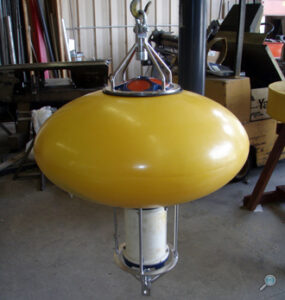
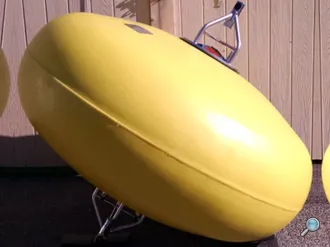
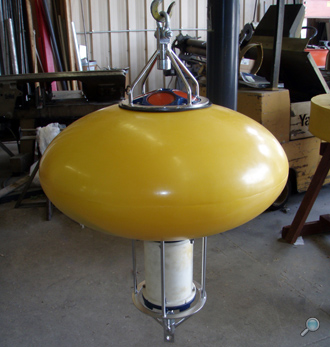
Mooring Systems, Inc. manufactures an ellipsoid-shaped subsurface buoy that provides a lower drag coefficient than traditionally shaped spherical buoys. The ellipsoid buoy improves mooring performance by reducing lay down caused by water currents. Ellipsoid shapes are more predictable and have lower risk than other non-spherical buoyancy modules. Configurations are offered with single strength members as general mooring flotation, or with integral stainless steel instrument frames. During mooring recovery operations, ellipsoid-shaped buoys provide excellent vertical position of beacons, unlike spherical buoys with unbalanced instrument payloads that roll in ocean waves.
Contact the BlueZone sales team for more information.
Related products

OceanTools Ltd is a subsea engineering company specialising in the design and manufacture of subsea equipment. Products are deployed in harsh environment applications including subsea survey and ROV operations.
Read more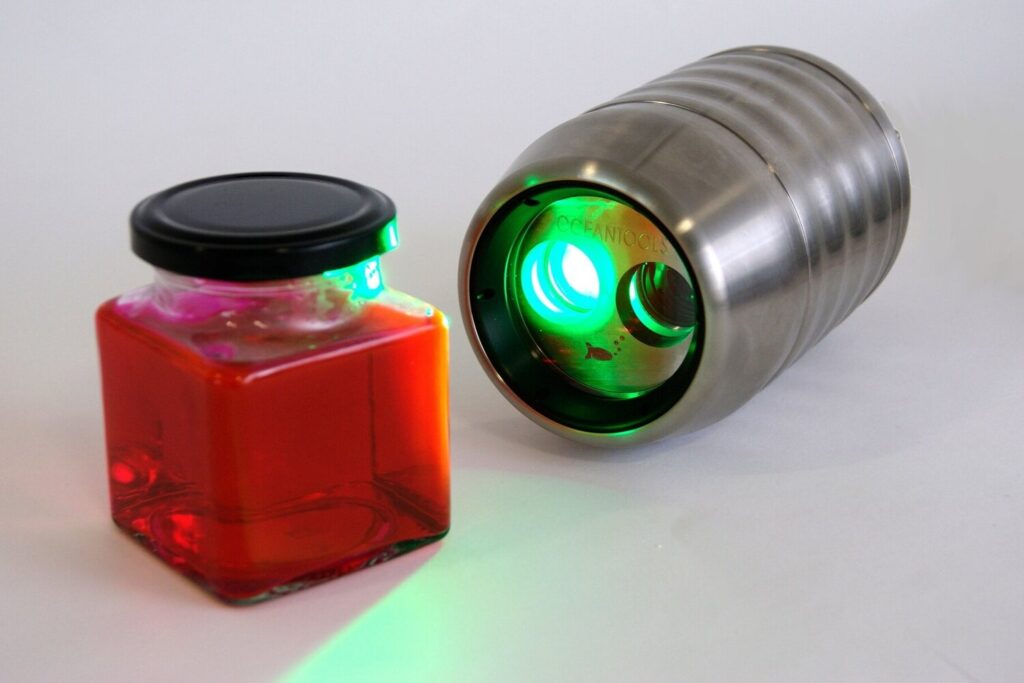
OceanTools D7 & D10 DyeTectors®
The D7 DyeTector is a state of the art subsea leak and dye detector. High-power LED light is focused through lenses and filters to create a concentrated beam that is...
Read more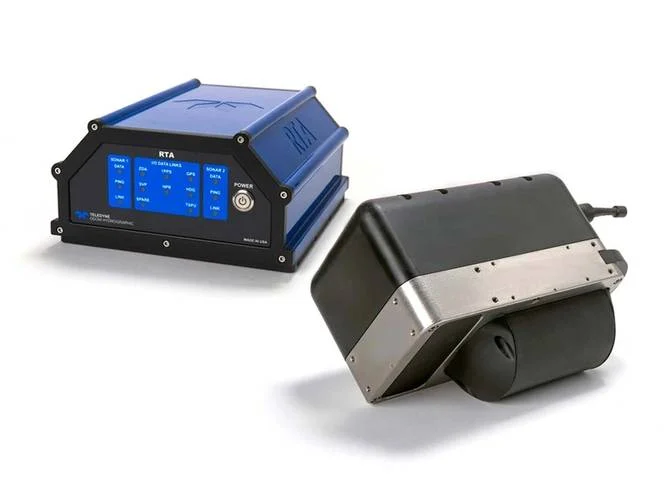
Operating frequency from 170 to 220 kHz, 120 degree swath coverage, Up to 512 beams, Phase and amplitude bottom detection, Up to 240m water depth sounding, Titanium and Acetal construction.
Read more