
The stability and versatility of the REMUS 6000 allow numerous applications, including:
REMUS 6000 Unmanned Underwater Vehicle (UUV)
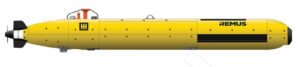
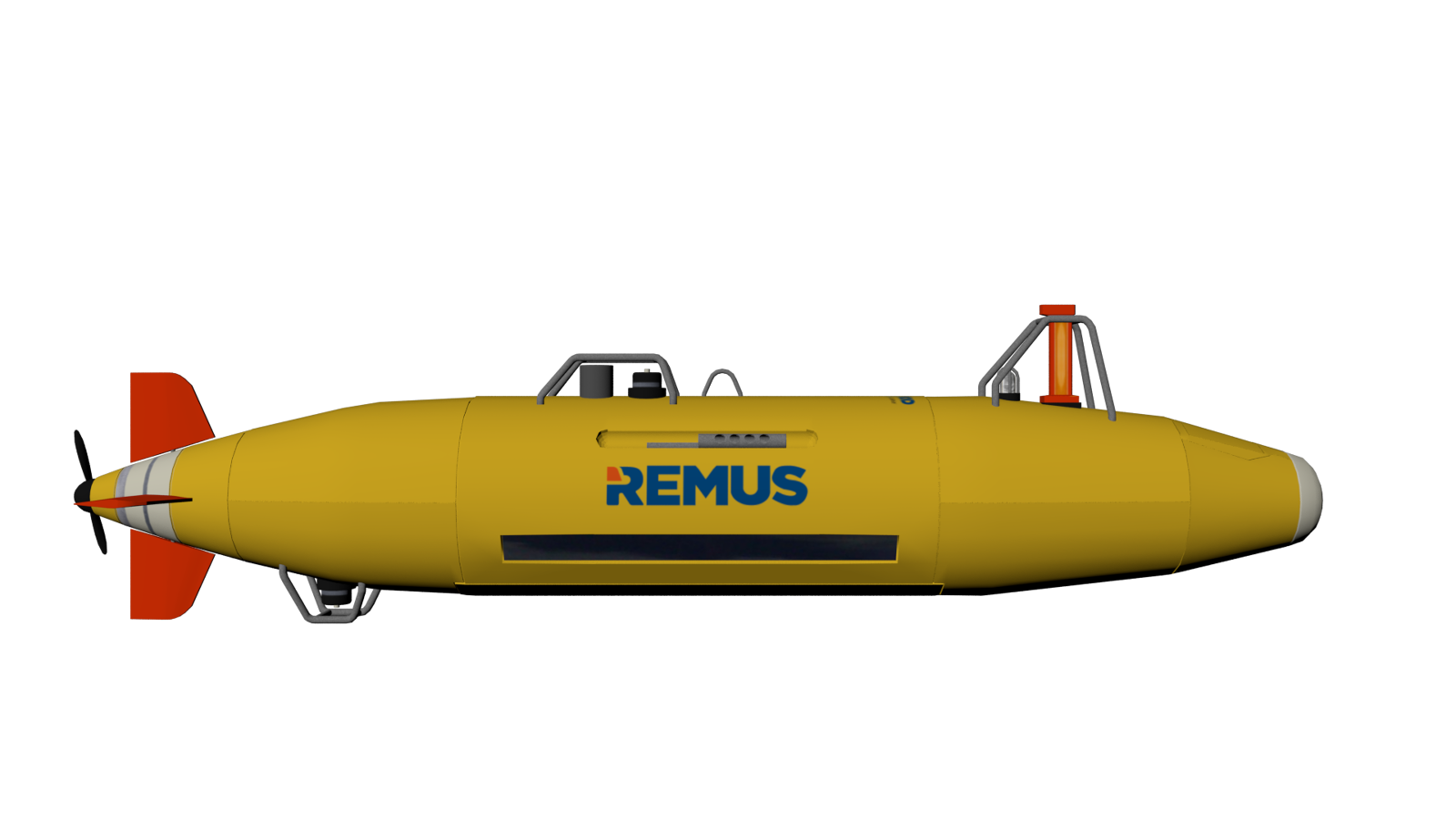
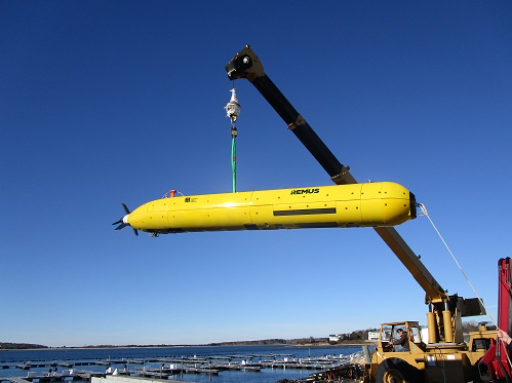
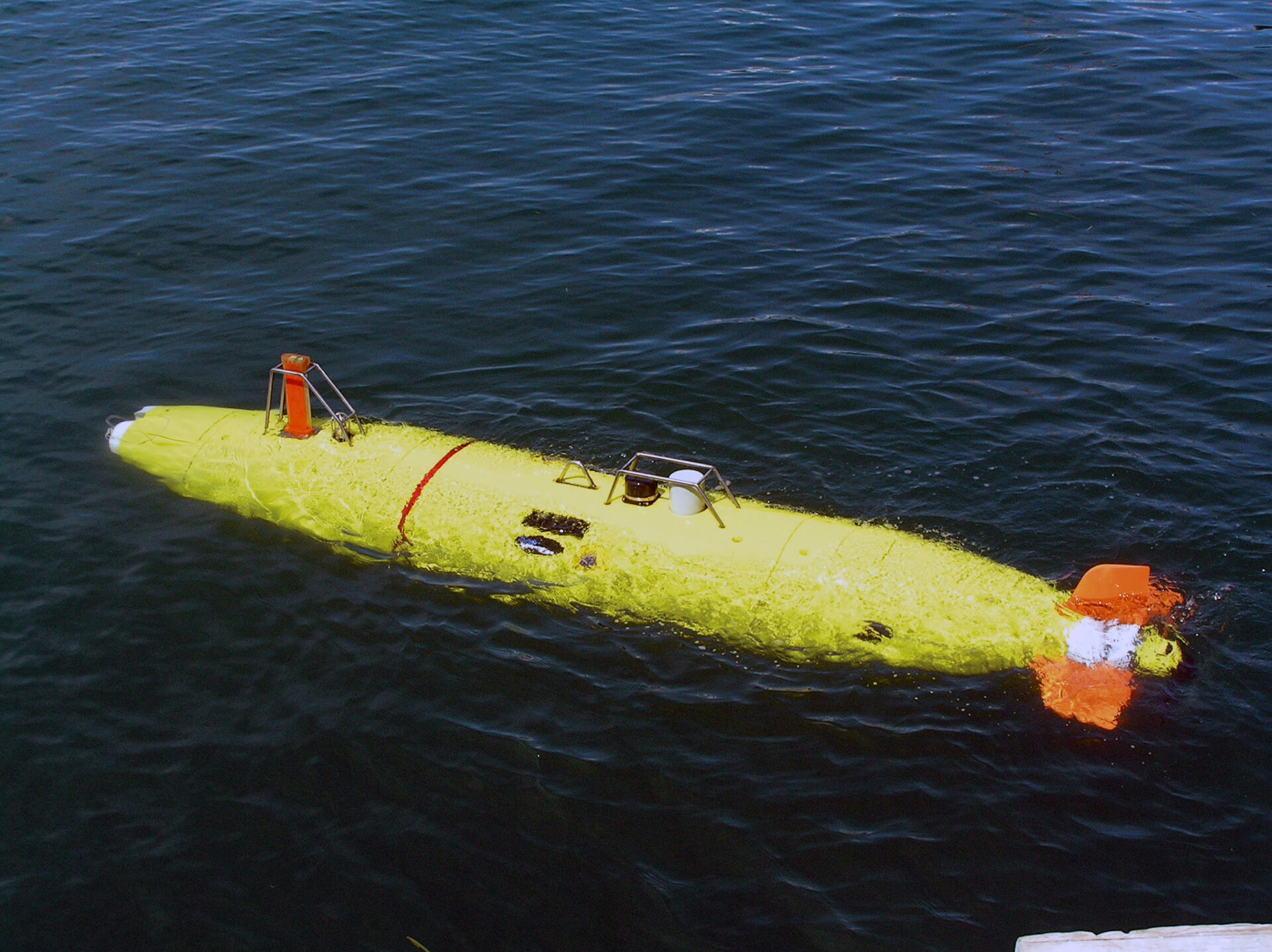
HII’s new generation REMUS 6000 has been redesigned to increase modular payload space, allowing integration of multiple advanced sensors. Reaching depths of 6,000 meters, this deep-water unmanned underwater vehicle can survey 98% of the ocean for a variety of applications. The REMUS 6000 is uniquely suited for search and recovery operations at significant depths and has been used to locate many famous World War II wrecks from 2017 to 2019. The discovery of the USS Indianapolis wreckage was found 5, 500 meters below the surface in the Philippine Sea 72 years after it went missing.
The REMUS 6000 AUV is Hydroid’s deep-water workhorse and has been designed to enable operations to water depths as great as 6000 meters. It can be configured to include a wide variety of payloads to meet specific mission requirements. With the ability to navigate up to 22 hours per mission, the REMUS 6000 provides wide area coverage and can be used for commercial, marine research and defence applications. The REMUS 6000 was used in the discovery of Air France Flight 447, a passenger flight that crashed in June 2009, and was also used in July 2010 to explore the site of the Titanic sinking.
Key Features
- 6,000-meter depth rated
- Up to 25-hour mission duration
- Speeds up to 4.2 knots
- Open architecture
- Increased module payload capacity
- Swappable battery bottles
- Advanced sonar options
- Proven stern/side launch and recovery system
- Search and recovery
- Hydrography
- Geothermal vent research
- Tectonic plate research
- Deep sea mineral exploration
-
Treasure hunting
- Marine research
- Fisheries research
- environmental monitoring
- Oil and gas infrastructure monitoring
- Marine geology
Read More
REMUS 6000 Plays Key Role in the Discovery of the USS Indianapolis Wreckage
For more information on the REMUS 6000 AUV, contact the team at BlueZone.
Related products
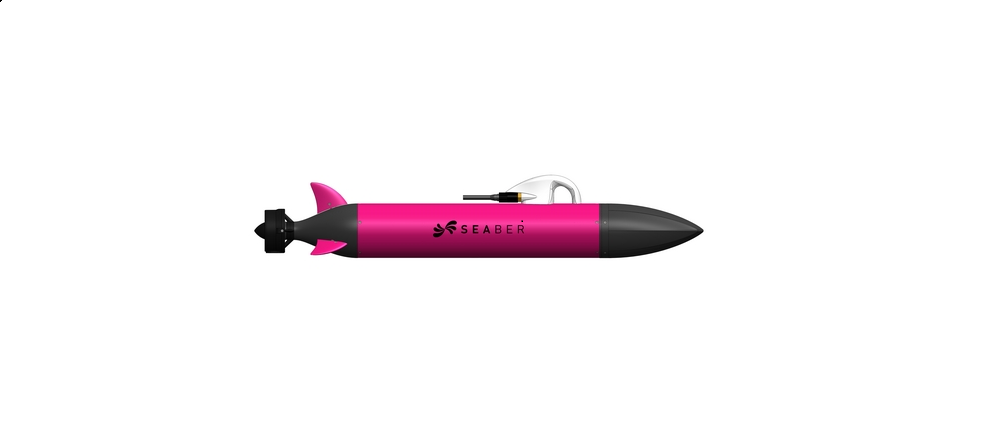
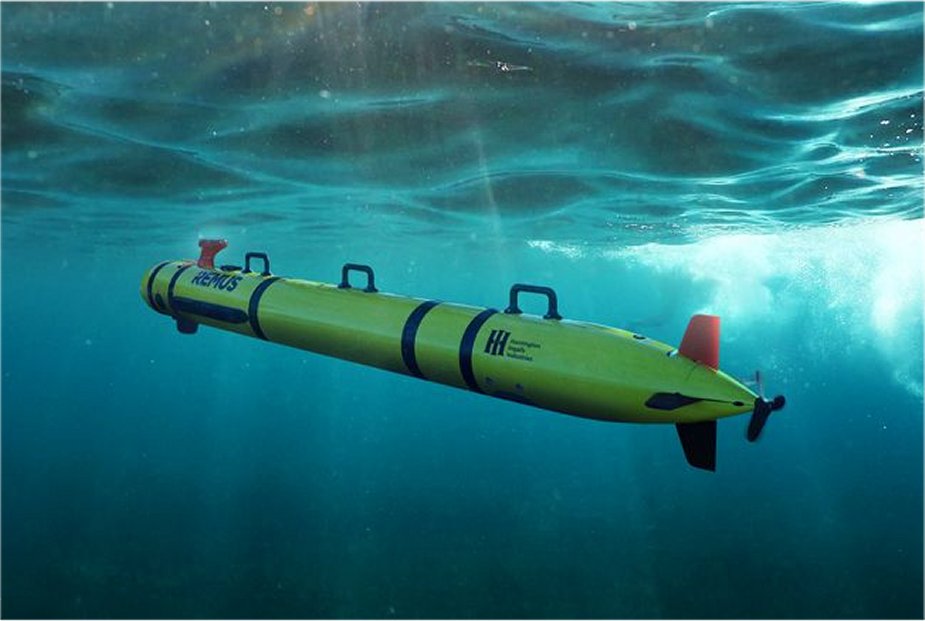
The REMUS 300 is a new, small-class unmanned underwater vehicle (UUV) built for military and commercial applications.
Read more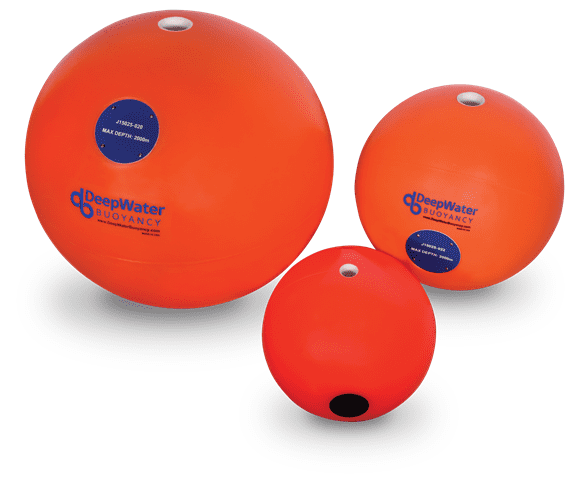
HardBall® Float Subsea Buoyancy
DeepWater Buoyancy’s Hardball® Floats provide subsea buoyancy for a wide variety of oceanographic applications.
Read more