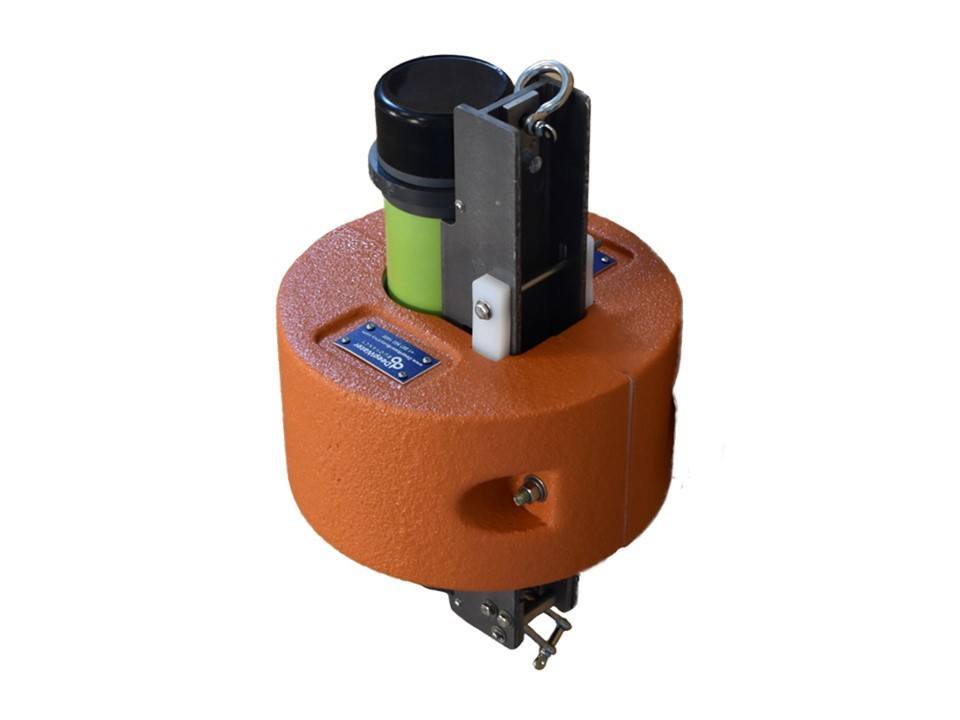
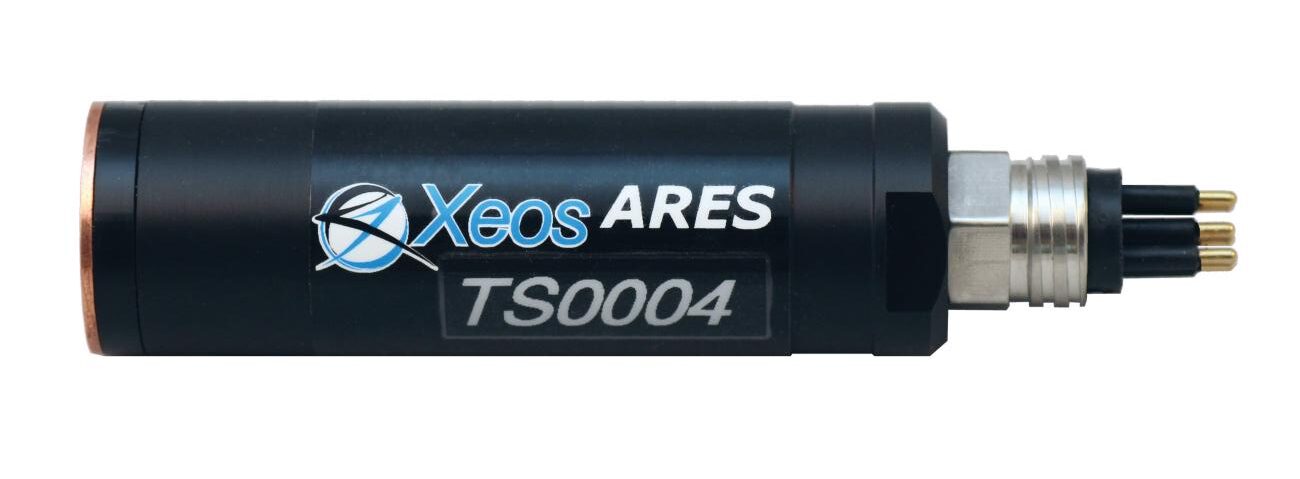
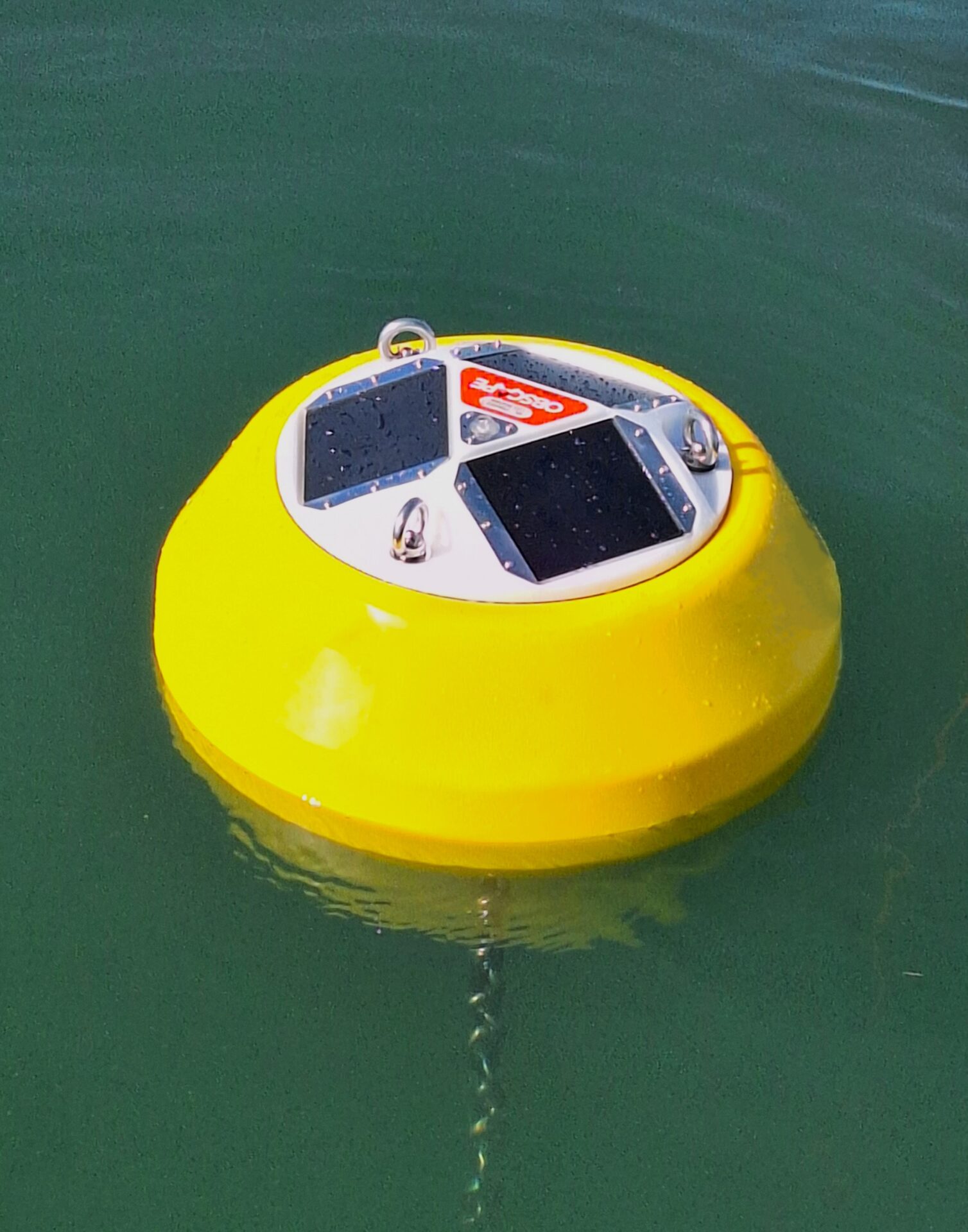
The Ares Turbidity Sensor features state-of-the-art technology for measuring water clarity for environmental water quality monitoring, oceanographic research, marine operations, and aquaculture monitoring. The Ares is based on the optical measurement principle, using ultra-bright, energy-efficient infrared LEDs as an excitation source and detectors to measure infrared light reflected by suspended particulate material in a water volume. These digital optical sensors are programmed with a calibrated response to reflected light that can be converted to quantitative measurements of turbidity (measured in Nephelometric Turbidity Units or NTUs).
Key Features:
Read More:
Ares Turbidity Sensor Datasheet
Up to 25-hour mission duration
Speeds up to 4.2 knots
Increased module payload capacity
Search and recovery
Hydrography
Deep sea mineral exploration
Marine & Fisheries research
Deepwater Buoyancy Acoustic Release Buoyancy
DeepWater Buoyancy’s Acoustic Release Buoyancy Collars allow for long-term deployment of acoustic release instruments to depths as great as 6000 meters. Designs provide for single acoustic release systems or, for...
Read moreDeepwater Buoyancy StableMoor® Mooring Buoys
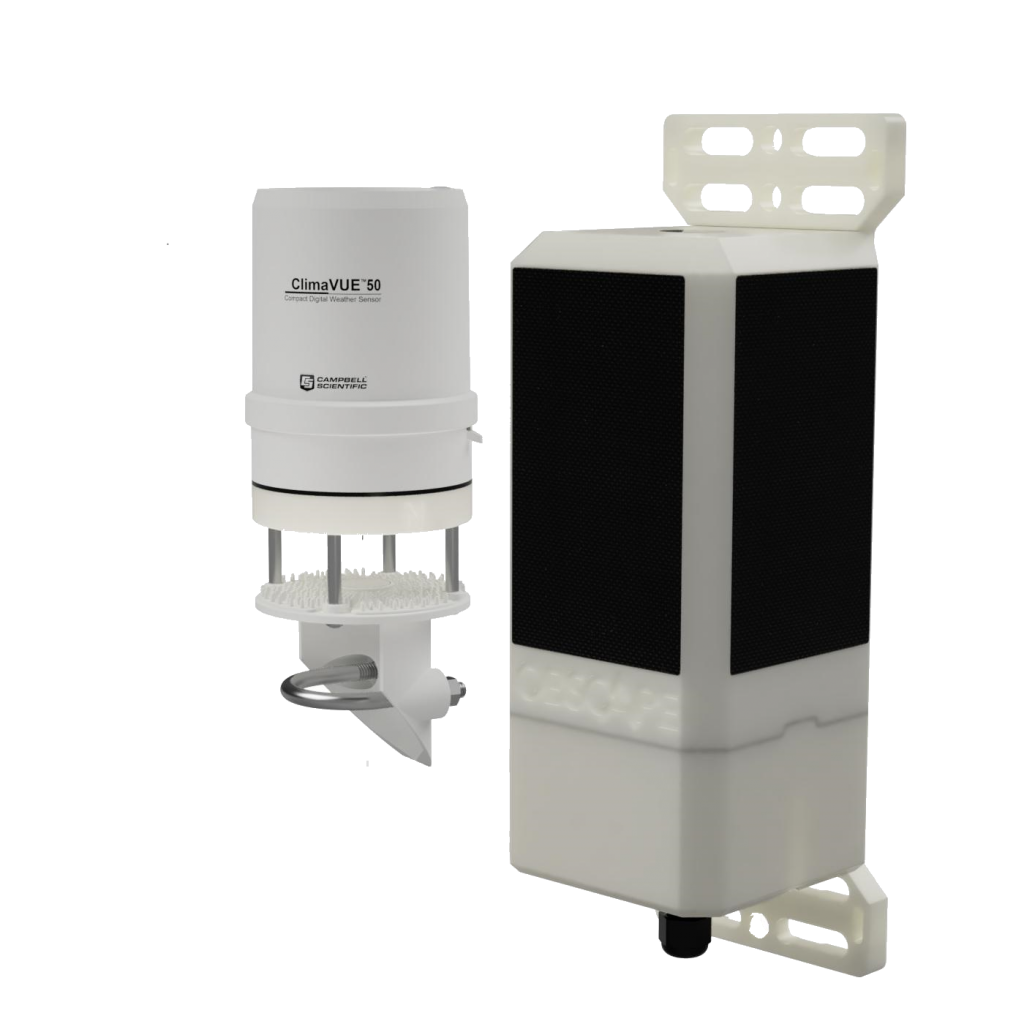
Specifically engineered for high current applications, the StableMoor® is designed to reduce drag and increase mooring stability in extreme flow regimes. By decreasing frontal area (compared to our standard spherical...
Read moreThe Kailani Telemetry Buoy (KTB) implements seafloor to space communications for ocean floor instruments.
Read moreDeepSea Power & Light SeaVent®: Protecting Subsea Systems in Extreme Environments
Compact, Reliable Pressure Protection for Critical Systems Subsea and sealed electronic systems operate in some of the most demanding environments on Earth, where pressure differentials, thermal cycling, and depth‑induced stresses...
Read MoreSeaPower. Powered by Kraken, supported by BlueZone Group
BlueZone Group strengthens in‑country sustainment through Kraken SeaPower battery servicing training in Germany As Australia’s maritime autonomous and uncrewed capability accelerates, so does the need for trusted, in‑country sustainment....
Read MoreMission Autonomy in Mine Countermeasures: Coordinating the Uncrewed Fleet
In an era of contested seas and reduced tolerance for risk, mission level autonomy has become the backbone of effective defence operations. The rapid evolution of maritime mine warfare has...
Read More