
Pop-Up Buoy Recovery System
DeepWater Buoyancy’s Pop-Up Buoy Recovery System (PUB) allows for direct retrieval of seabed packages, such as anchors, anchor lines, and bottom-mounted frames and instruments. Easily mounted to any framework, the assembly sits on the seafloor until the acoustic release is activated. Once the release completes its disconnection, the buoy sub-assembly lifts free from the canister sub-assembly and rises to the surface. A synthetic line connects the buoy directly to the framework of the seabed item and allows for retrieval.
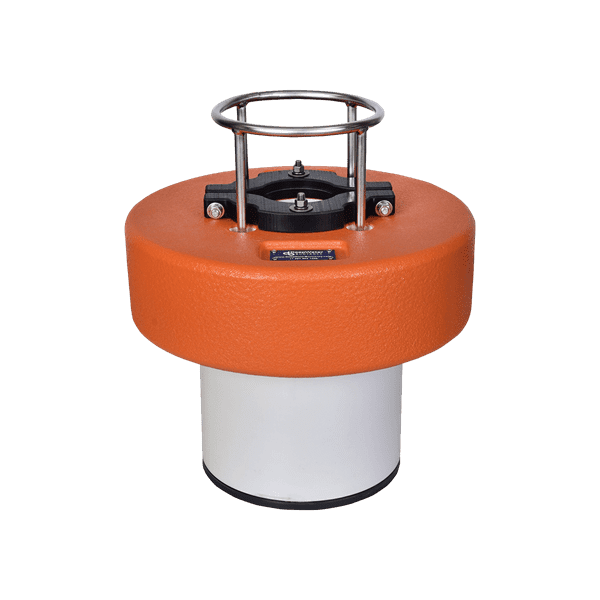
The buoy sub-assembly is configured with a syntactic flotation collar, an electro-polished 316 stainless steel frame, and 75 meters of 1/4″ synthetic line. (Other line lengths are available upon request.) The recovery buoy is made from high-strength DeepTec® solid syntactic foam that is rated to 500 meters of depth. The foam is finished with an abrasion-resistant, polyurethane elastomer coating.
The canister subassembly is made from PVC and 316SS plate. It has a rugged design and has attachment features to permit various mounting configurations, including easy mounting to our BTM-AL50 tripod bottom mounts. The standard recovery system is designed to work with both the legacy Teledyne Benthos 875 shallow water release, as well as the new R500 series release.
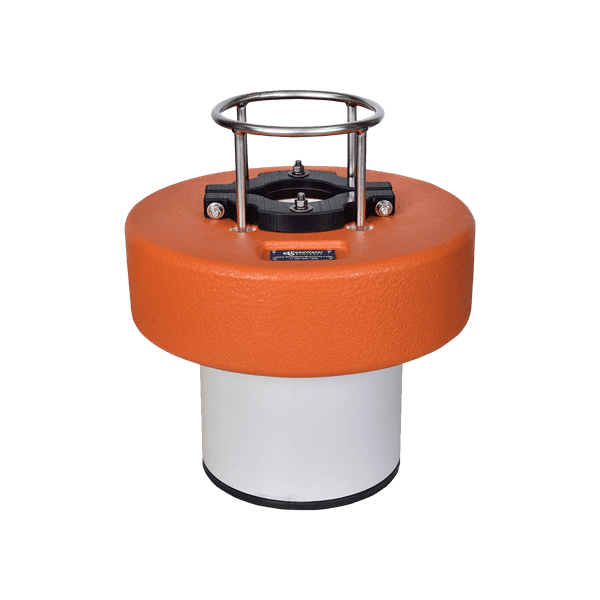 |
| The standard recovery system is designed to work with both the legacy Teledyne Benthos 875 shallow water release, as well as the new R500 series release. |
Related products
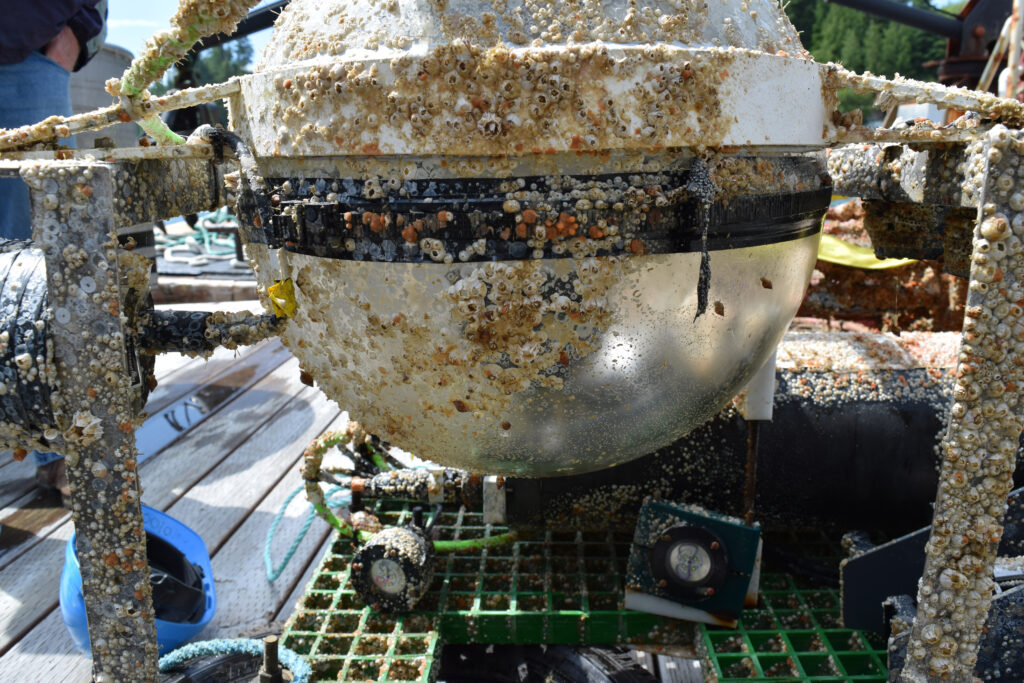
AML Oceanographic UV Biofouling Control
When instrumentation is deployed underwater in a stationary position for long periods of time, biofouling will occur. This unwanted marine growth causes sensor drift, requiring preventative measures to ensure accurate data.
Read more
Our super-bright LED provides unparalleled visibility in even the worst conditions and our solid state surface sensor's reliability is a significant improvement over mechanical methods.
Read more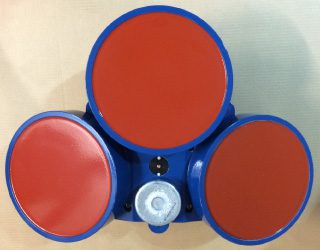
ClearSignal coating products can be applied to your instruments and underwater components at BlueZone workshops in Australia.
Read more