
ClearSignal Coating
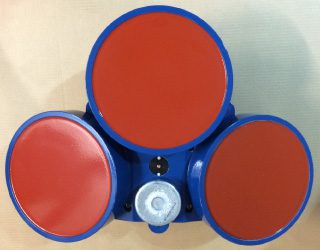
ClearSignal coating products can be applied to your instruments and underwater components at BlueZone workshops in Australia.
The system is applied in a controlled facility using state-of-the-art industrial processes. The intended substrate and application methods are significant engineering design components of the ClearSignal system. The product formulation is also adjusted for the particular marine application.
Unlike anti-fouling systems that rely on active biocides and whose effectiveness degrades with time, ClearSignal remains 100% effective for the intended life of the instrument. ClearSignal is compatible with instrument housings and retains all instruments markings and identification features.
 |
|
ClearSignal is ideal for treatment of instruments such as ADCPs and will eliminate downtime caused by biofouling. It remains 100% effective for the life of the instrument. |
 |
|
Tests show ClearSignal coating to be highly effective in controlling the growth of biofouling on a glider. There is no biofouling accumulation on the coated sections. The coating showed no signs of wear and is designed to last for the life of the glider. |


Related products
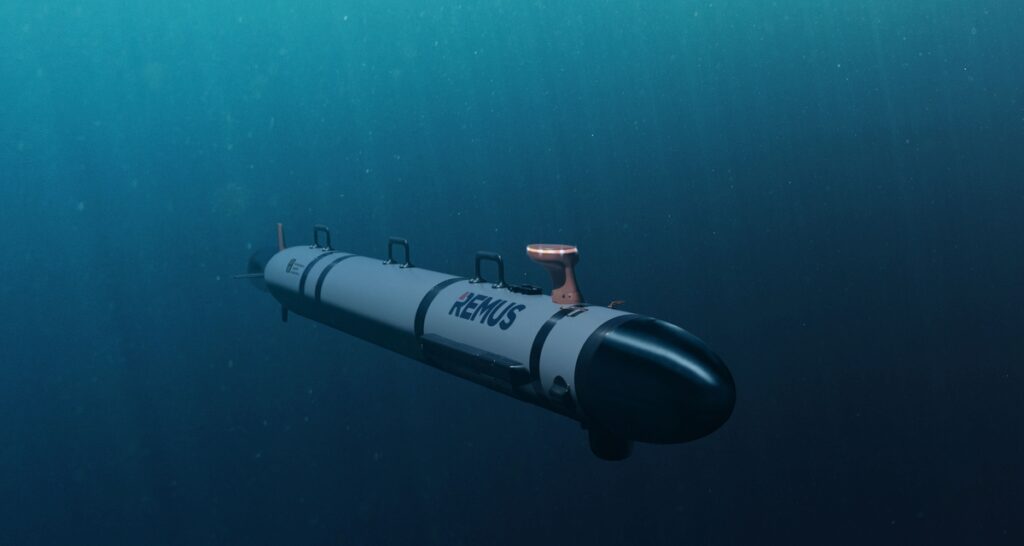
HII's REMUS 600M mine countermeasures (MCM) variant is a medium-class unmanned underwater vehicle (UUV) that can dive to depths of 600 meters to collect high-resolution data in support of long-endurance...
Read more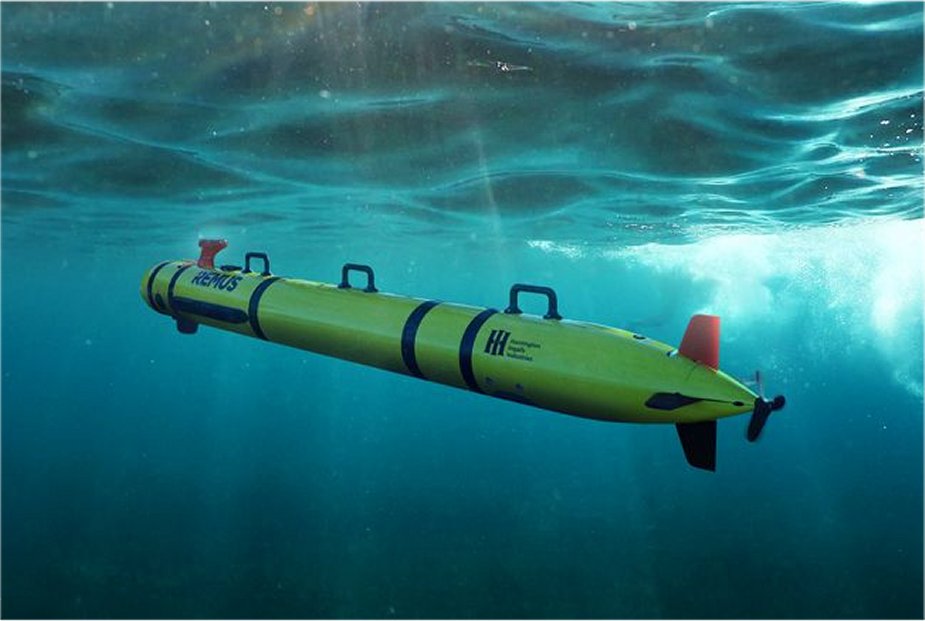
The REMUS 300 is a new, small-class unmanned underwater vehicle (UUV) built for military and commercial applications.
Read more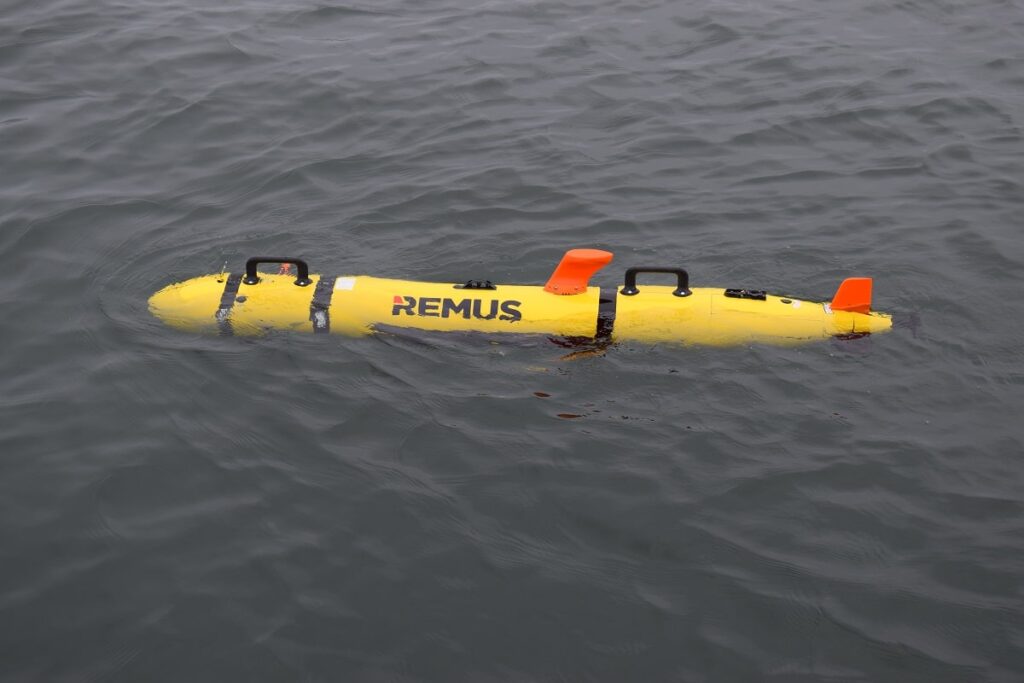
The REMUS Autonomous Underwater Vehicle (AUV) has been a remarkable success with more than 200 vehicles (2012) delivered. REMUS vehicles are widely used in many applications including: naval, hydrography and...
Read more