
Emergency Relocation Transponder for Diving Bells
Transponder and Interrogator compatible with Sonardyne systems
Commercial diving companies operating in an area that requires their diving bell to meet offshore standard DNV-OS-E402, must have an emergency locating system that meets section 305 of that standard.
RJE International provides the ATT-400/AODC transponder – a small battery operated underwater acoustic device, which is used to mark commercial diving bells for emergency relocation to depths of 1000 meters. The interrogation frequency is factory set to 38.5kHz (Ch-A) or 39.5kHz (Ch-B) and, when interrogated, replies to the pre-set emergency frequency of 37.5kHz and meets the DVN-OS-E402 standard.
A diver held interrogator for the transponder, the DTI-300/AODC interrogator is also available. To ensure a smooth transition, the ATT-400/AODC transponder is compatible with the older Sonardyne systems and can be located with the Ranger2 USLB system and Homer-pro receivers presently in use and fielded.
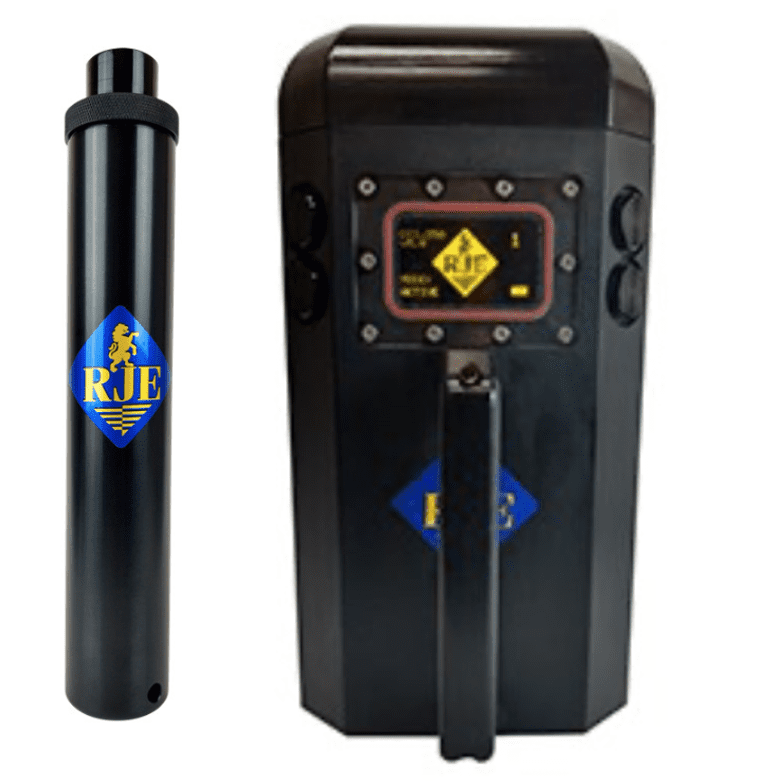 |
| AODC Transponder and Interrogator for Diving Bells. |

Related products
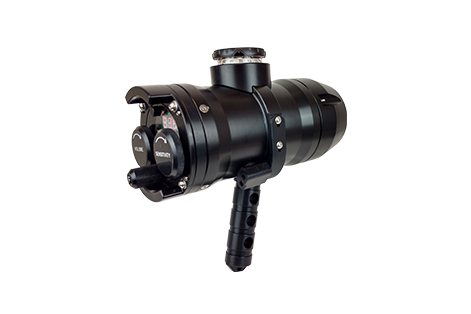
The DPR-275 Diver Pinger Receiver is a small and rugged handheld diver acoustic receiver with an LCD display and signal strength meter that can track and locate any acoustic pinger...
Read more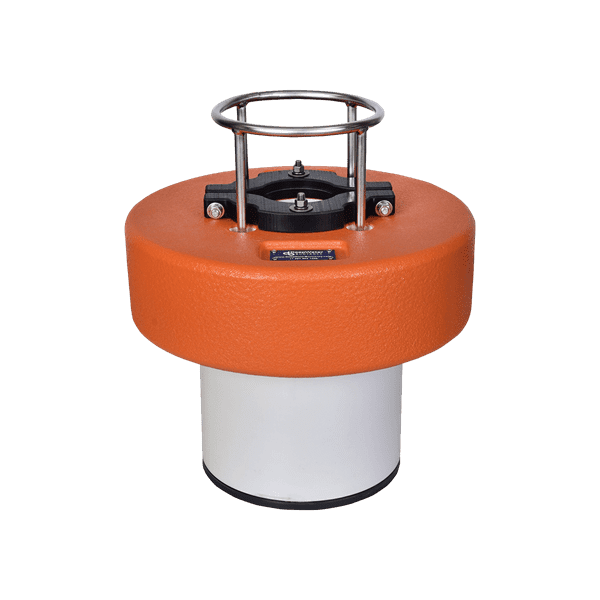
DeepWater Buoyancy’s Pop-Up Buoy Recovery System (PUB) allows for direct retrieval of seabed packages, such as anchors, anchor lines, and bottom-mounted frames and instruments.
Read more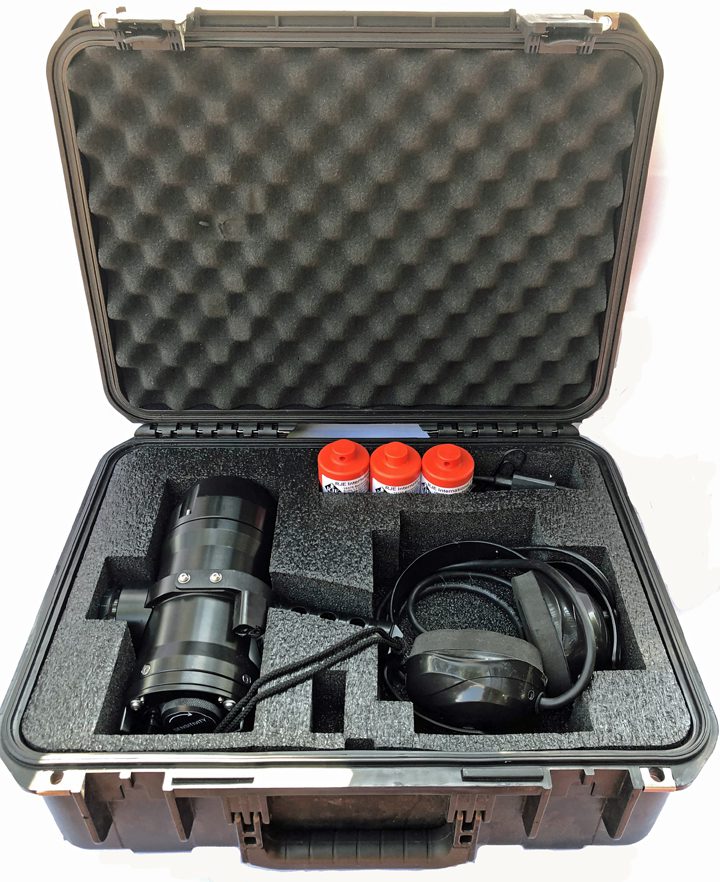
Diver/Asset Recovery System (DARS)
The Diver/Asset Recovery System (DARS) allows Public Safety Divers (PSD) to easily relocate subsea assets and other divers during search and recovery missions in the poorest conditions. The DARS system...
Read more