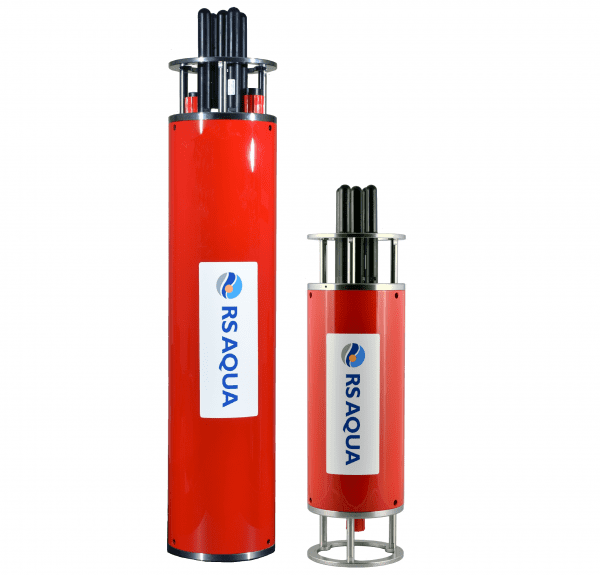
A rugged alternative for measuring temperature and depth underwater… giving precise and reliable measurements in all water conditions.
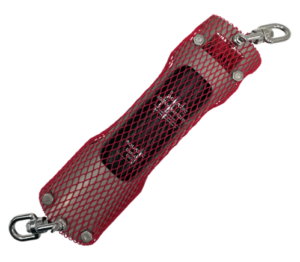
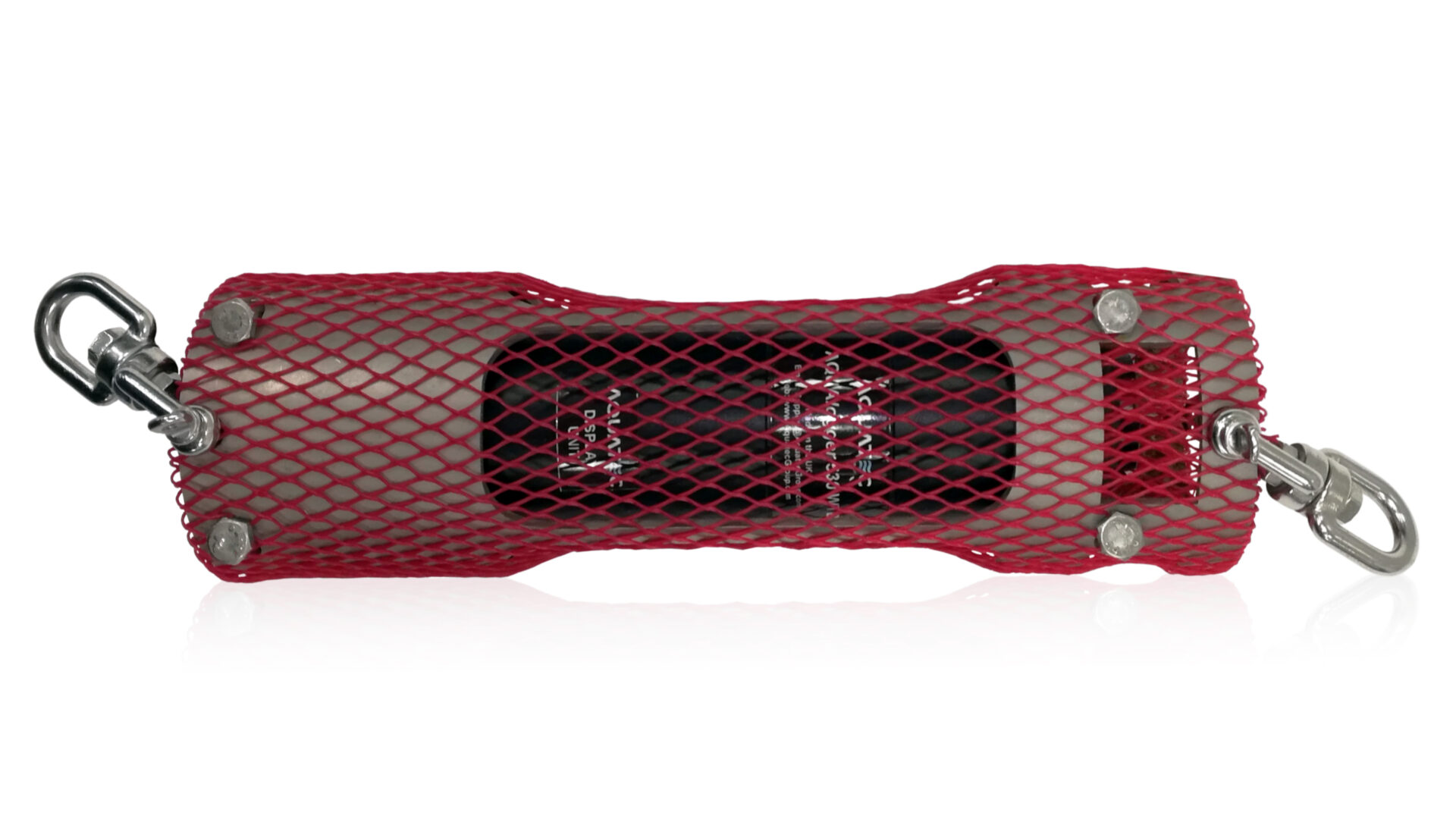
The AQUAlogger® 530WTD is a wireless standalone temperature and depth logger with a robust and innovative design. The instrument offers automatic data transfer, so your data is transmitted wirelessly to a designated PC or laptop, once the equipment has surfaced. Users can benefit from the quick and simple setup and deployment of the instrument that will save you time in the field.
Applications include:
- Oceanographic and environmental research where ‘at a glance’ data display is important
- Commercial fisheries – to aid fishing methods and target species
- Coastal studies
AQUAlogger® 530WTD Instrument Guide
Related products
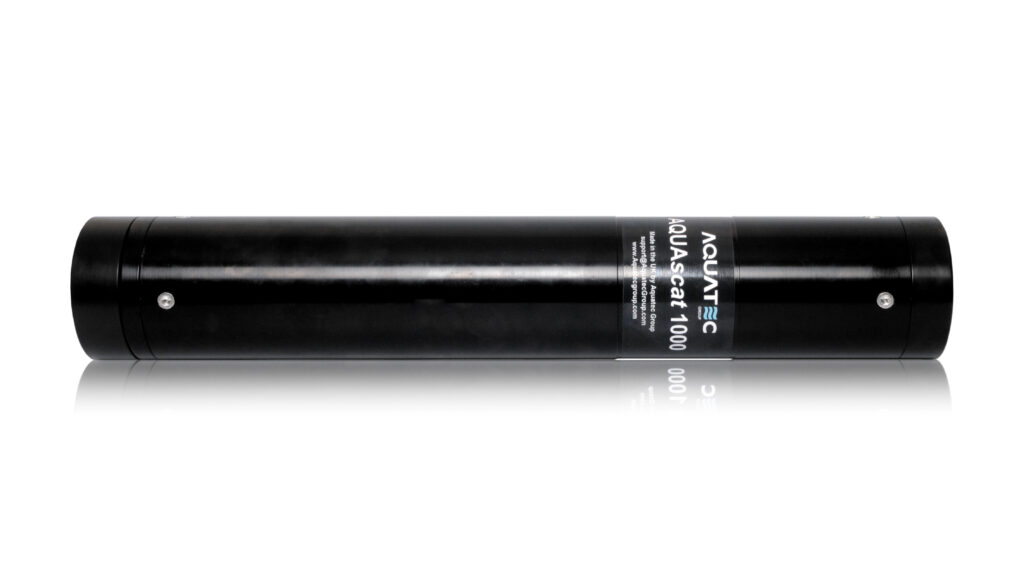
The AQUAscat® 1000S represents a new generation of high frequency acoustic instrumentation. It has applications in sediment transport studies, including measurement of suspended sediment profiles, precision altimetry, dredge plumes and...
Read more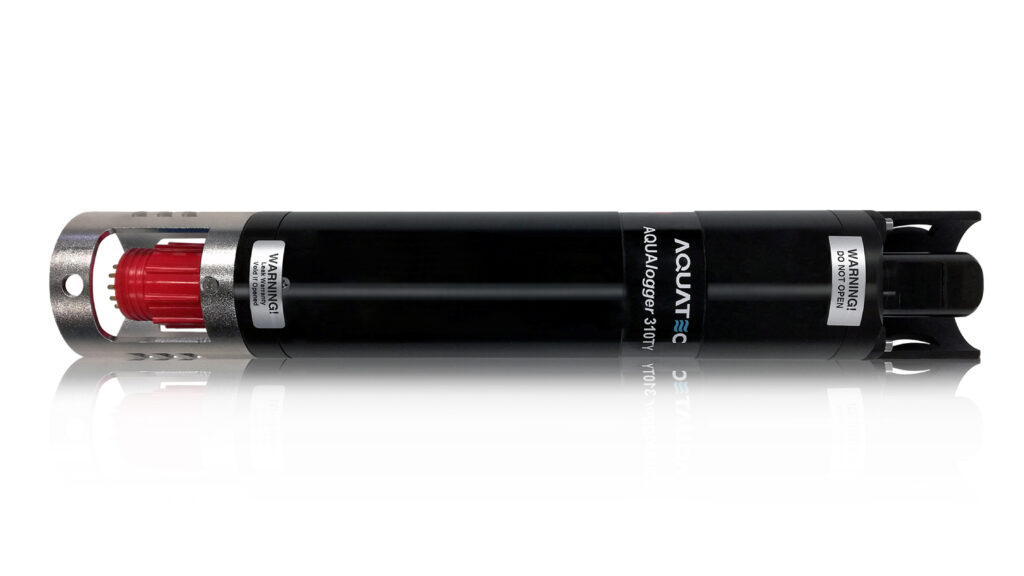
AQUAlogger® 310TY, the advanced turbidity and suspended sediment logger. Ideal for research, water quality studies and dredge monitoring.
Read more