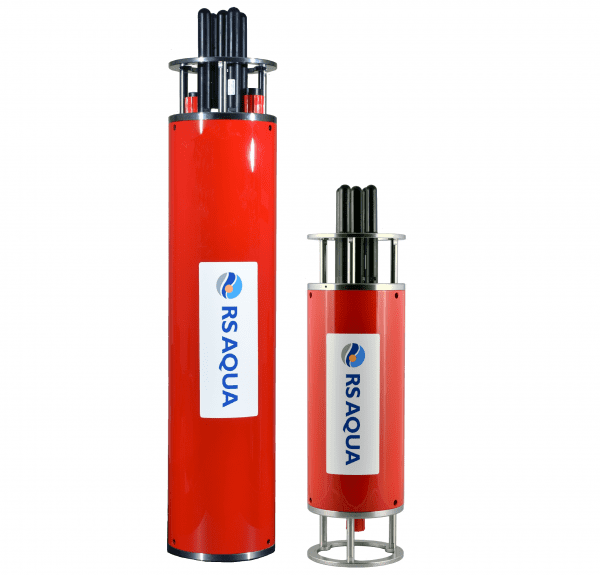
Advanced turbidity and suspended sediment logger. Ideal for research, water quality studies and dredge monitoring.
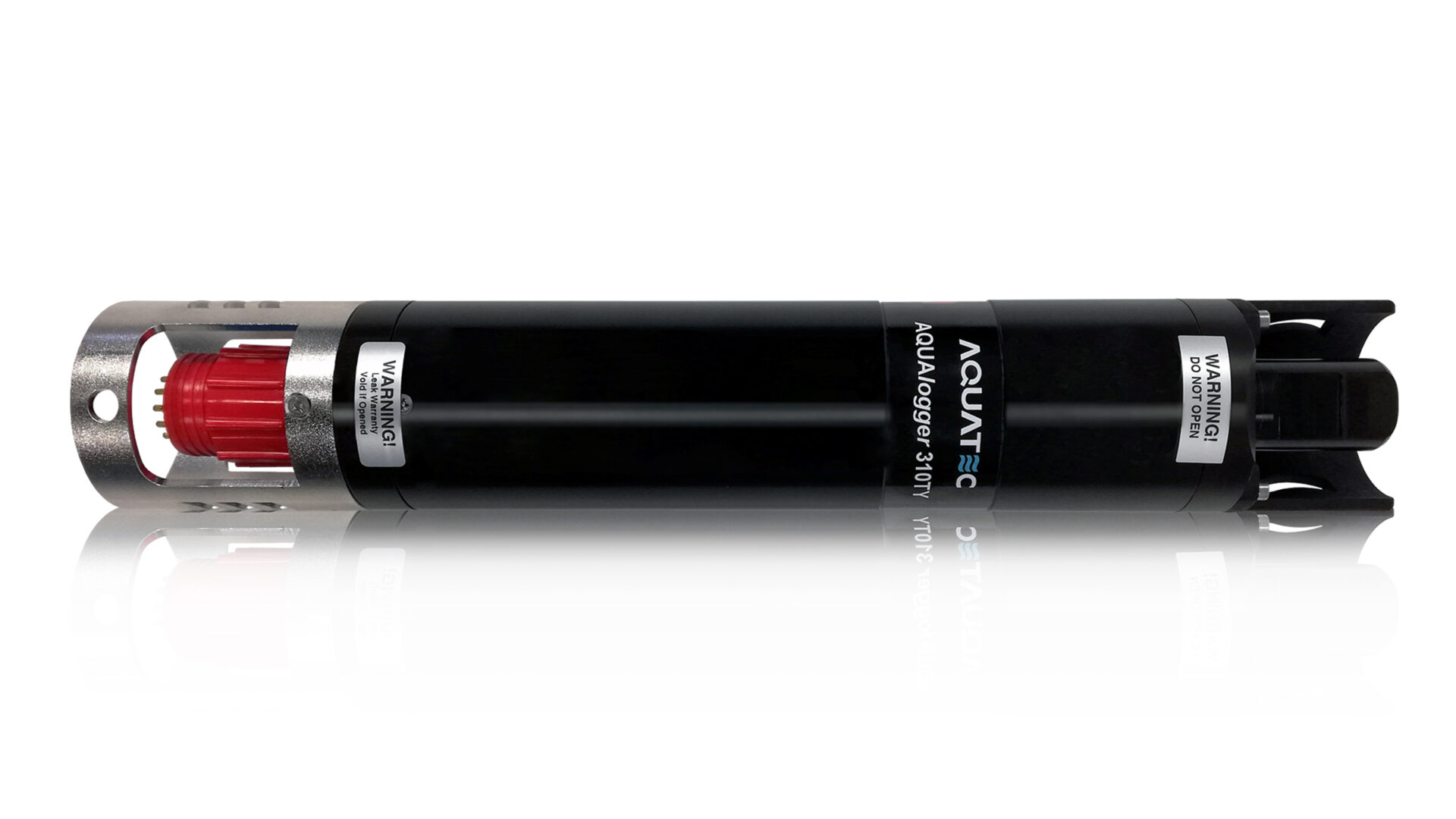
The AQUAlogger ® 310TY is a series of versatile compact instruments that measure turbidity to over 10,000FTU with optional integral temperature and pressure sensors. The logger can convert turbidity to suspended sediment concentration (SSC) using in situ samples. The AQUAlogger ® 310TY can be used in freshwater and ocean environments with the standard logger reaching a maximum depth of 1,000 m, and the deep water models to depths of 6,000 m.
Applications include:
- Coastal erosion studies
- Oceanographic research
- Dredging monitoring
- Suspended sediment monitoring
- Environmental impact assessments
AQUAlogger ® 310TY Instrument Buyers Guide
Related products
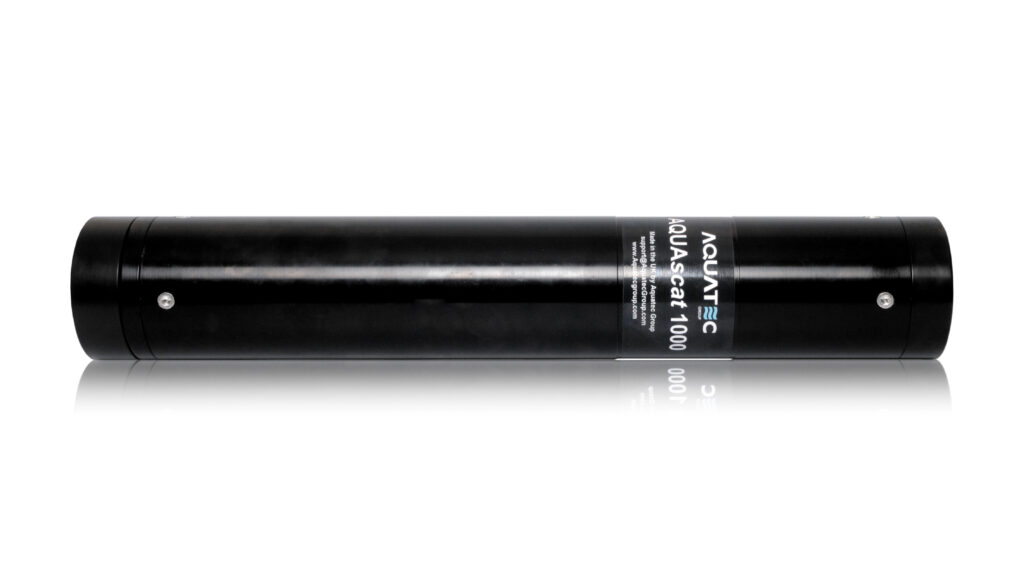
The AQUAscat® 1000S represents a new generation of high frequency acoustic instrumentation. It has applications in sediment transport studies, including measurement of suspended sediment profiles, precision altimetry, dredge plumes and...
Read more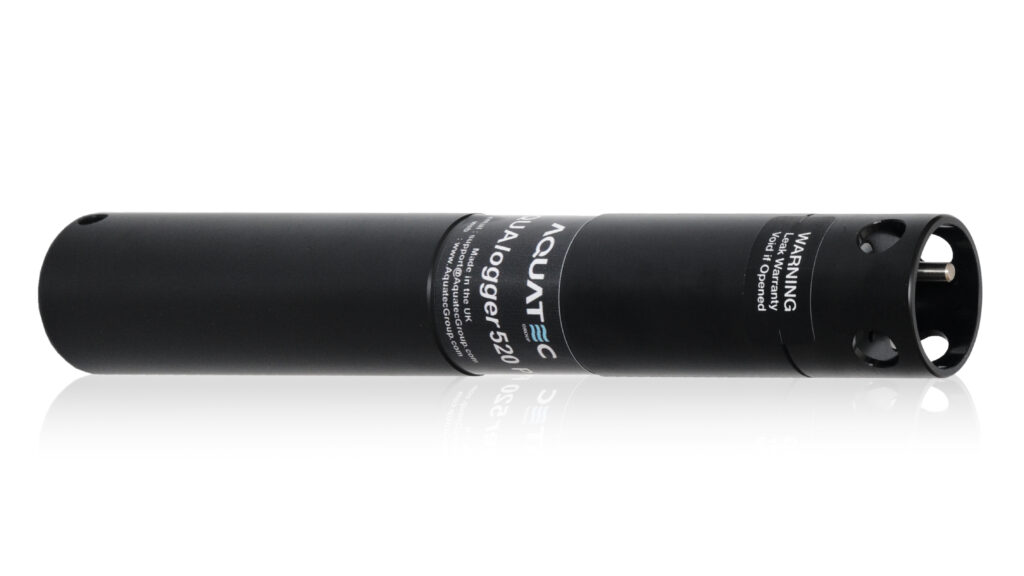
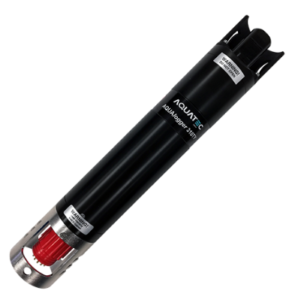
The AQUAlogger® series includes standalone data loggers to produce precise long term records, wireless instruments for use on commercial fishing vessels and deep water loggers.
Read more