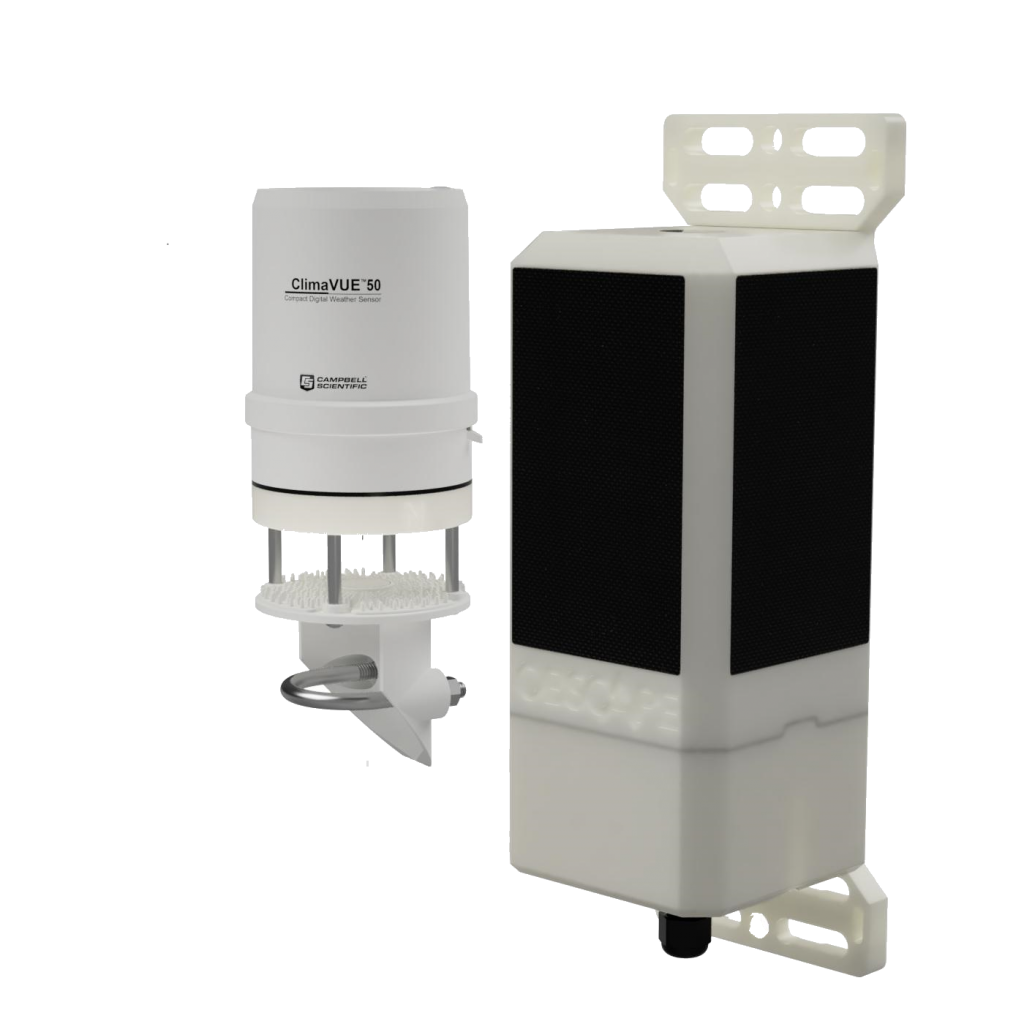
Level Gauge

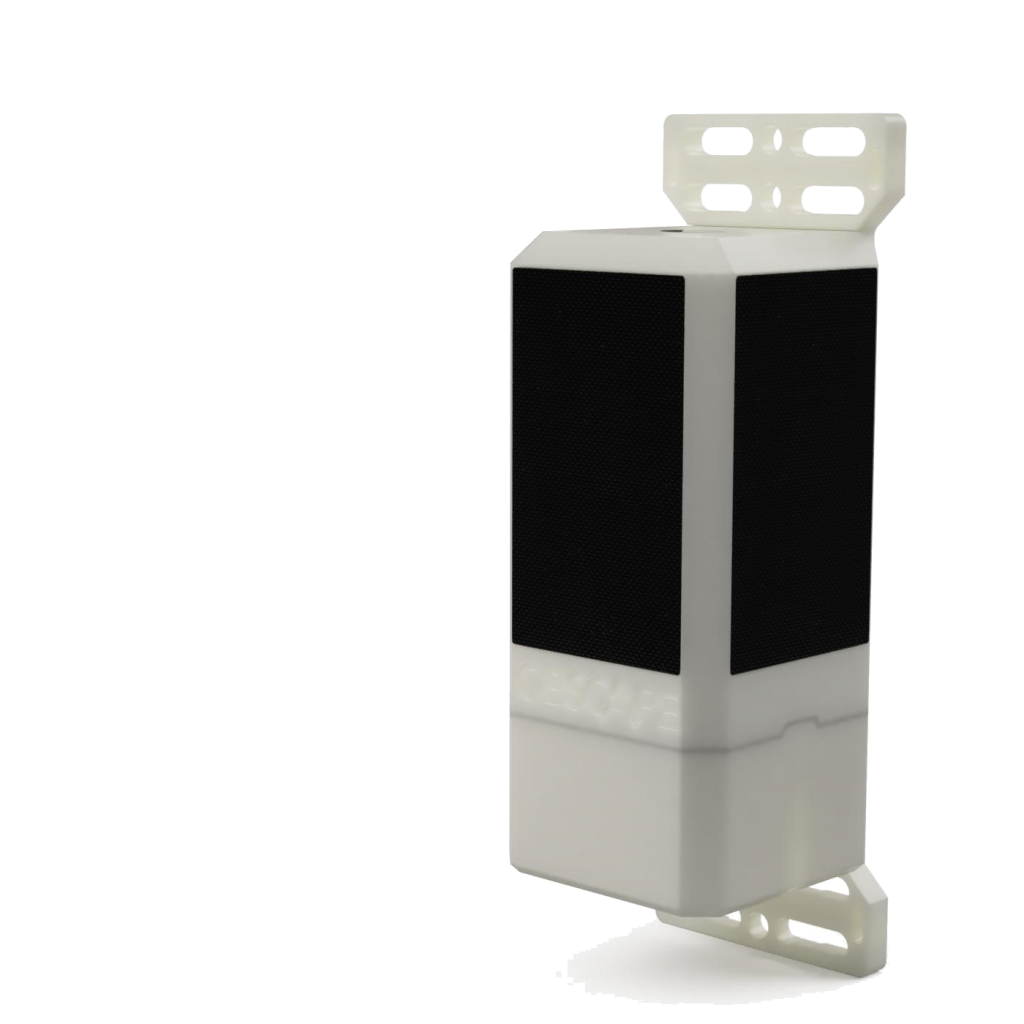
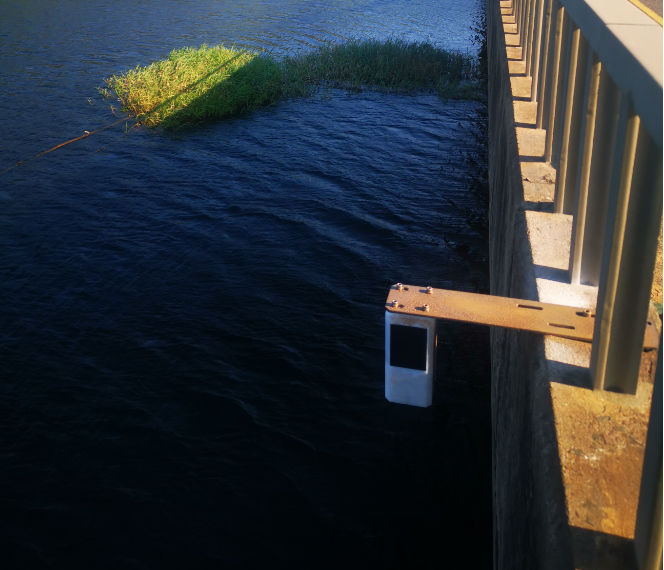
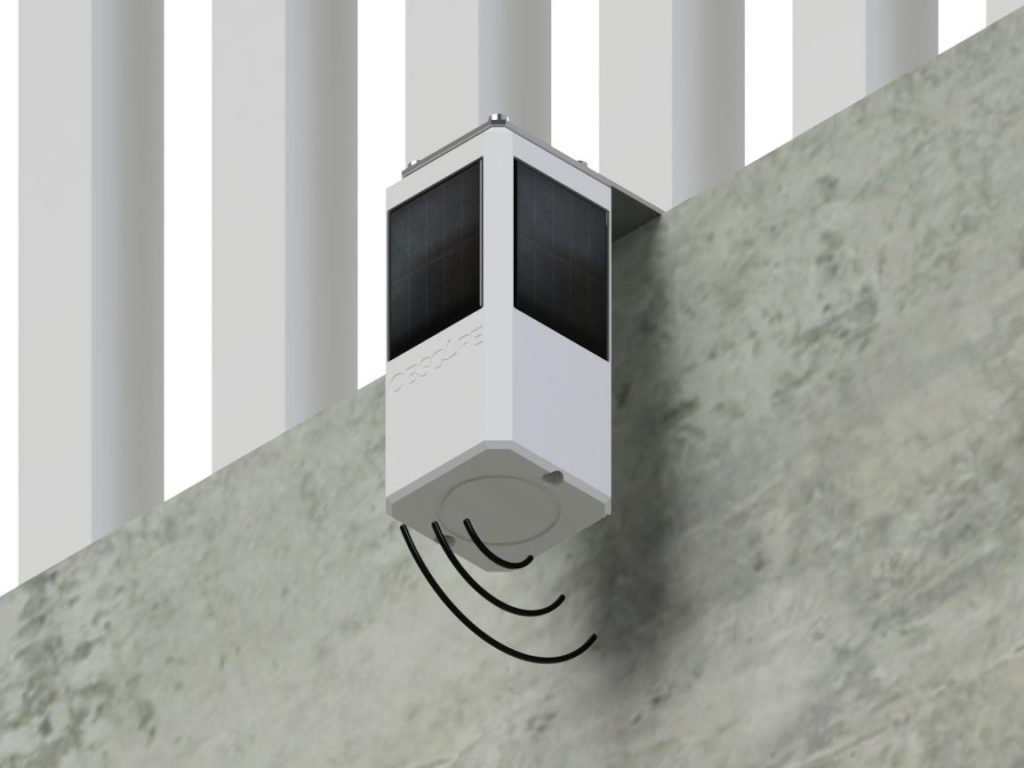
Obscape’s Level Gauge delivers real-time water level measurements. It records the water level using a highly accurate radar sensor. Since the instrument is mounted above the water surface, deploying it in the field is easy. Water level monitoring plays an important role in monitoring natural or man-made water systems. The Level Gauge is suitable for application in ports, rivers, estuaries, canals, manholes, and storage basins. The instrument measures the distance to the water surface using an industry-standard radar sensor. It is mounted above the water surface, which avoids costly and labour-intensive underwater operations. The 40-metre range of the Level Gauge will cover even the most extreme water level variations.


Key Features:

  • Accurate water level data
  • Radar technology
  • No underwater components
  • Real-time data
  • Solar powered


Read More:

Level Gauge Datasheet


Key Features

Up to 25-hour mission duration

Speeds up to 4.2 knots

Increased module payload capacity

Search and recovery

Hydrography

Deep sea mineral exploration

Marine & Fisheries research

Product Enquiry

    Product Enquiry


    Related Articles

    Advancing ASW Readiness with SEABER’s RECALL® Micro AUV

    As naval undersea threats grow more sophisticated, the demand for smarter, safer, and more realistic operator training has never been greater.   As undersea warfare becomes increasingly complex, navies must...

    Read More

    From Depths to Discovery: Xeos Petrel X3 Enhances Oceanographic Operations

    As oceanographers push deeper into uncharted waters, the Xeos Petrel X3 emerges as a vital lifeline; ensuring that even the most remote underwater assets find their way home. In the...

    Read More

    SeeTrack: The Defence Ready Command and Control System for Maritime Autonomy

    In an era where robotic systems define naval superiority, SeeTrack stands at the centre: Uniting AUVs, ROVs, and operators into one powerful defence ecosystem   As autonomous technologies reshape the...

    Read More