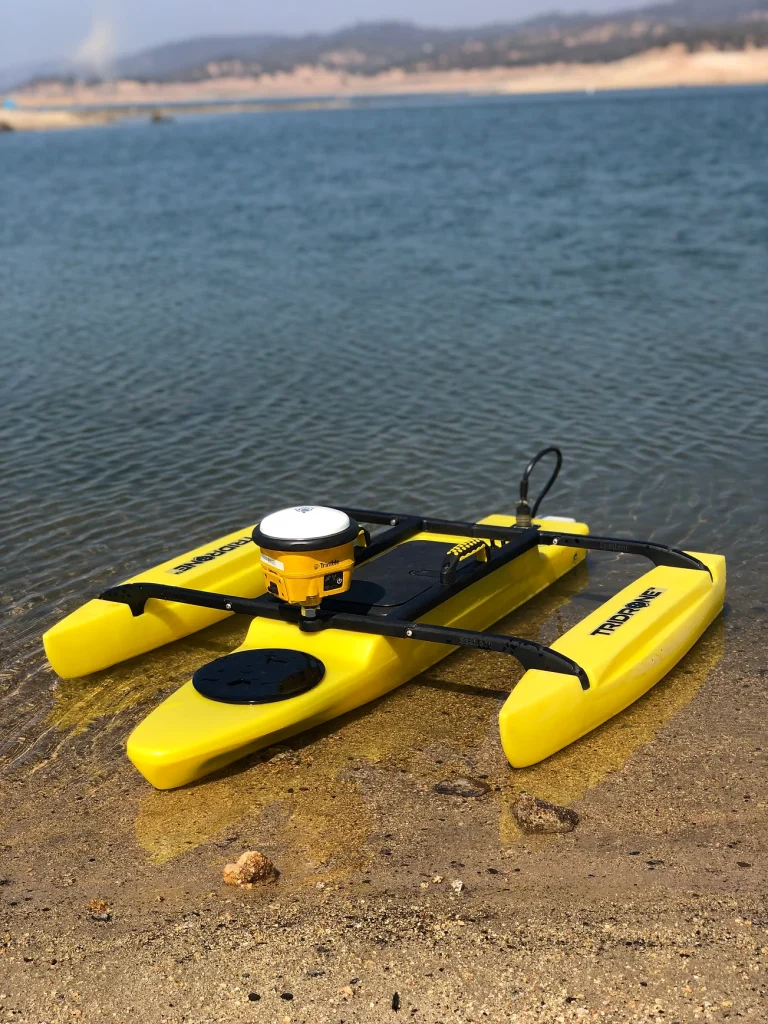
The RiverRay is designed to measure real-time current
profiles from temporary or permanent mounting in a vessel. The RiverRay system
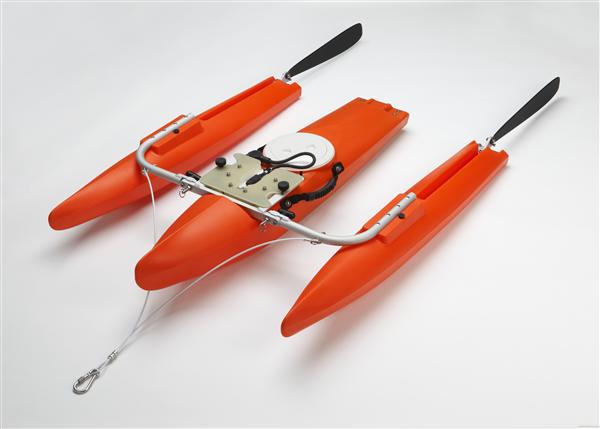
consists of a RiverRay ADCP, float, cables, and software. The input power
requirements for the RiverRay are +12 VDC. The RiverRay system requires the
addition of a Windows® compatible computer to collect data.
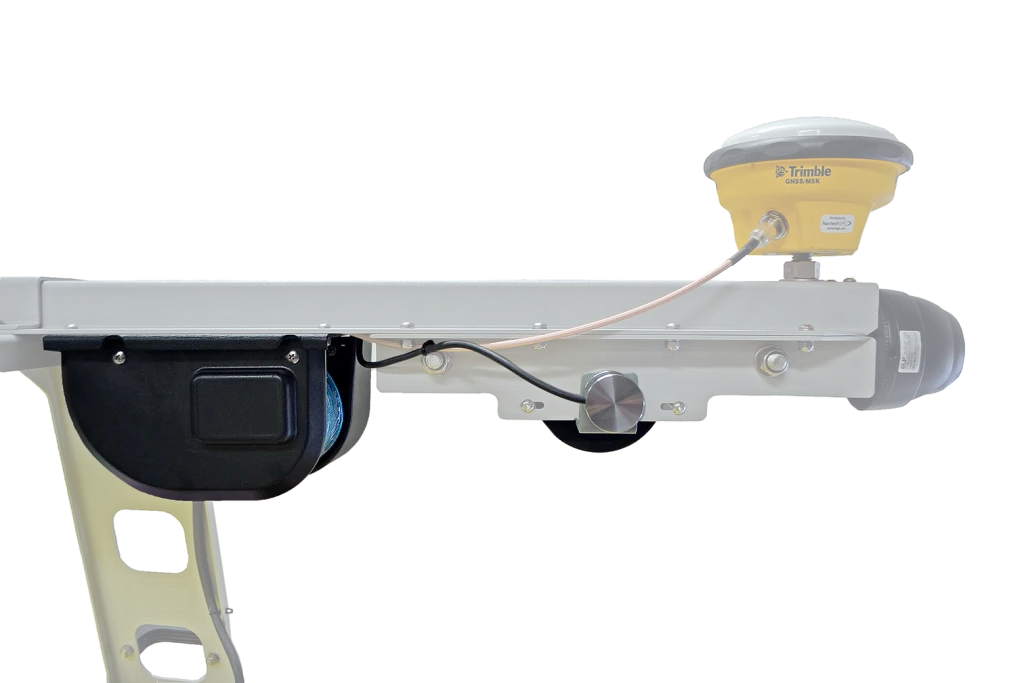
The transducer assembly contains the transducer ceramics and
electronics. The standard acoustic frequencyis 600 kHz. The RiverRay is
intended to be operated as a surface mounted system only. No depth rating is
provided. The float is designed to maintain the transducer at a constant depth in
the water with minimal water flow disturbance.
Up to 25-hour mission duration
Speeds up to 4.2 knots
Increased module payload capacity
Search and recovery
Hydrography
Deep sea mineral exploration
Marine & Fisheries research
The AutoNav Plus™ combines the AutoNav™ control system, which enables USVs to navigate pre-programmed survey routes, with a long range communication control system and built-in computer for data logging and...
Read moreThe new Aquatec AQUAlogger 310TY solves sediment measurements with turbidity to measurement to 10,000FTU (typical). Turbidity can be converted to suspended sediment concentration and the 310TY includes integral temperature and...
Read moreDeepSea Power & Light SeaVent®: Protecting Subsea Systems in Extreme Environments
Compact, Reliable Pressure Protection for Critical Systems Subsea and sealed electronic systems operate in some of the most demanding environments on Earth, where pressure differentials, thermal cycling, and depth‑induced stresses...
Read MoreSeaPower. Powered by Kraken, supported by BlueZone Group
BlueZone Group strengthens in‑country sustainment through Kraken SeaPower battery servicing training in Germany As Australia’s maritime autonomous and uncrewed capability accelerates, so does the need for trusted, in‑country sustainment....
Read MoreMission Autonomy in Mine Countermeasures: Coordinating the Uncrewed Fleet
In an era of contested seas and reduced tolerance for risk, mission level autonomy has become the backbone of effective defence operations. The rapid evolution of maritime mine warfare has...
Read More