oceanographic

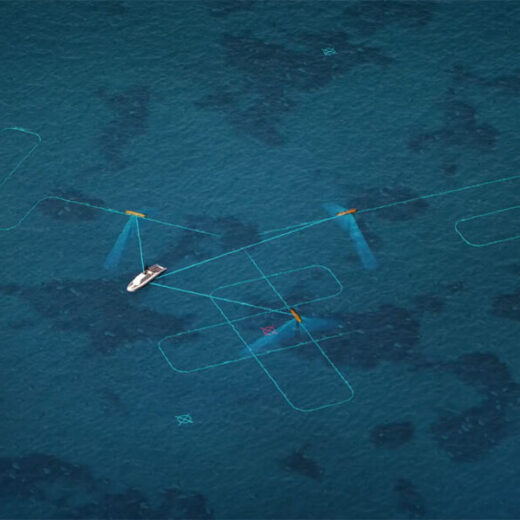
Autonomous Advantage: Bayonet 250 in the Littoral Battlespace

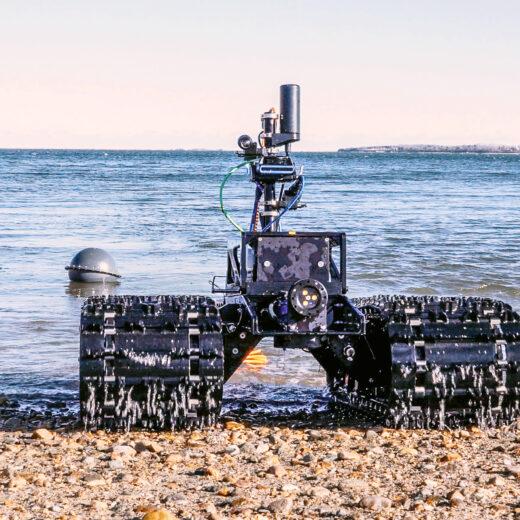
The surf zone remains one of the most dangerous and least understood environments in military operations, concealing mines, unexploded ordnance, and obstacles that threaten both personnel and mission success. Traditionally, clearing this route would require military divers, reconnaissance teams, or specialised vessels to move into harm’s way. Every metre of progress would carry risk. Every […]

Read More

AQUAscat® 1000R: Advancing Sediment Research with High-Resolution Acoustic Profiling

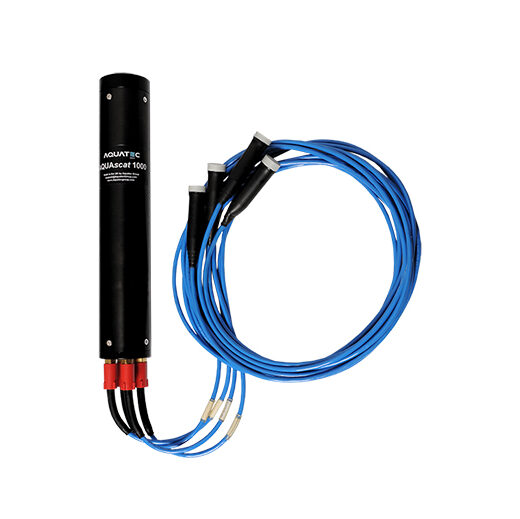
What if a single instrument could reveal both sediment concentration and particle size throughout the water column in real time?   Understanding how sediment moves through rivers, estuaries, coastal environments, and laboratory flumes is fundamental to modern oceanographic and environmental research. From coastal erosion studies and dredge plume monitoring to sediment transport modelling and habitat […]

Read More

Global Innovation, Local Expertise: The SeaBat T51 R and BlueZone Partnership

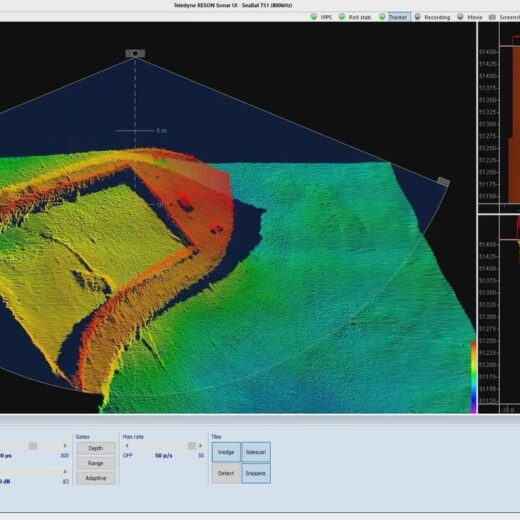
In a field where accuracy is everything, the SeaBat T51‑R emerges as the ultimate tool—pairing Teledyne’s world‑leading innovation with BlueZone’s trusted regional expertise.   As hydrographic surveying demands higher accuracy, faster data acquisition, and more efficient workflows, Teledyne Marine continues to set the global benchmark for multibeam echosounder technology. The Teledyne RESON SeaBat T51‑R represents […]

Read More

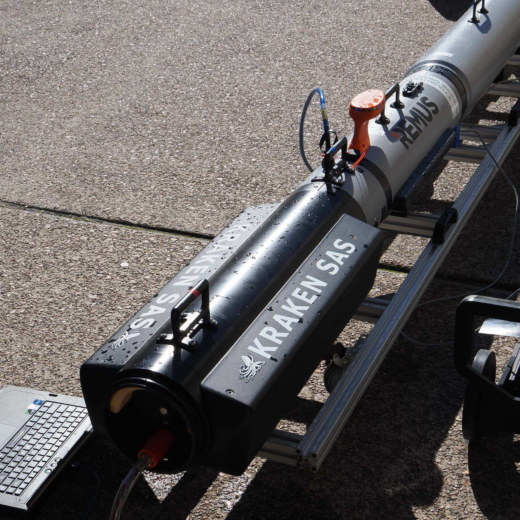
The Future of Mine Warfare: Faster Detection, Safer Operations, Greater Coverage with Kraken SAS

Faster Mine Detection. Safer Naval Operations.   For decades, naval mines have remained one of the most effective and affordable maritime threats. Capable of disrupting sea lines of communication, delaying military operations, and threatening critical infrastructure, mines present a challenge far disproportionate to their cost. While naval platforms continue to evolve, the task of detecting […]

Read More

A Legacy of Defence Support. A Future of Service Capability.

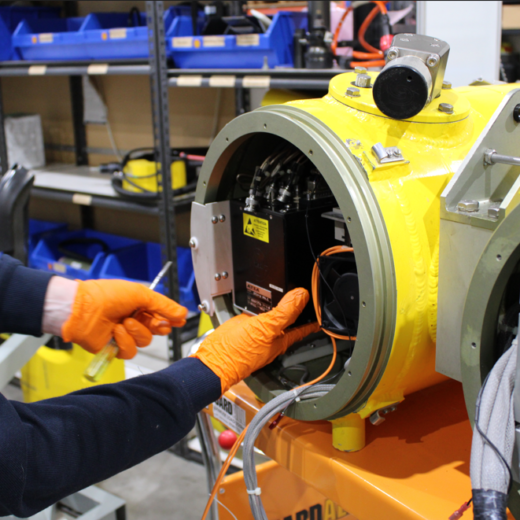
From mine warfare systems to advanced oceanographic sensors, Australia’s underwater capability relies on more than cutting-edge technology; it depends on the expertise that keeps it operational.   In an environment where equipment reliability directly impacts safety, mission success, and operational effectiveness, access to responsive local support is critical. BlueZone Group has built its reputation on […]

Read More

Delivering the Future of Mine Countermeasures: BlueZone Group Brings Integrated Capability to Australia

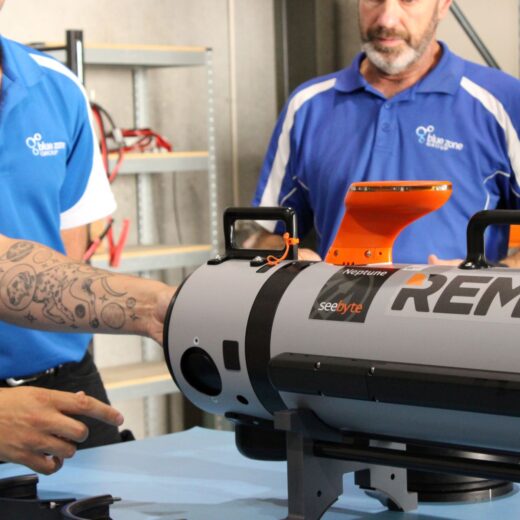
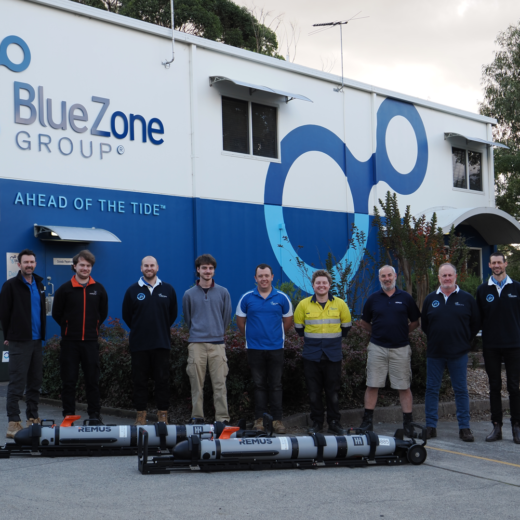
How REMUS, Kraken SAS and SeeByte software are shaping the future of autonomous MCM operations.   For more than 25 years, BlueZone Group has been introducing world-leading maritime and defence technologies into Australia, building a reputation as a trusted Defence partner that not only delivers capability but sustains it throughout its operational life. The recent […]

Read More

Beyond Line-of-Sight: Seebyte Enabling Over-the-Horizon Autonomy with USV Relay Architectures

As maritime operations push further into contested and communications-limited environments, the ability to project capability beyond the horizon is becoming a defining advantage of modern naval forces. For decades, underwater operations have been constrained by a simple reality: to maintain awareness and control, crewed vessels often need to remain close to the systems they deploy. […]

Read More

Emergency Location When It Matters: RJE International’s ULB 362PL for ROV Operations Offshore

When subsea assets disappear from view, certainty comes from sound—and few technologies are as critical to offshore energy operations as dependable acoustic location beacons.   As offshore energy operations continue to move into deeper, more complex environments, the importance of reliable subsea location and recovery systems has never been greater. From inspection, maintenance, and repair […]

Read More

Driving Fuel Efficiency and Fleet Readiness with Greensea IQ EverClean

Save 20% in fuel costs per year while maintaining hull condition close to the standard achieved immediately post dry-dock. In a global operating environment where fuel prices and supply chains are increasingly influenced by geopolitical instability, maritime operators are under sustained pressure to maximise vessel efficiency while meeting strict environmental and regulatory requirements. Hull condition […]

Read More