Beyond Line-of-Sight: Seebyte Enabling Over-the-Horizon Autonomy with USV Relay Architectures
As maritime operations push further into contested and communications-limited environments, the ability to project capability beyond the horizon is becoming a defining advantage of modern naval forces.
For decades, underwater operations have been constrained by a simple reality: to maintain awareness and control, crewed vessels often need to remain close to the systems they deploy. Whether conducting mine countermeasures (MCM), hydrographic survey, or infrastructure inspection, proximity has traditionally been a prerequisite for mission success.
But in an era defined by increasing threat complexity, distributed operations, and the need to minimise risk to personnel and high-value assets, this approach is no longer sufficient. A new operational model is emerging; one where autonomous systems extend reach, reduce exposure, and maintain persistent presence far beyond the line of sight.
Overcoming Distance with Intelligent Control
Operating at range introduces challenges; limited communications, reduced visibility, and complex multi-platform coordination. This is where SeeByte’s SeeTrack mission management and Neptune autonomy framework play a critical role.
Together, SeeTrack and Neptune enable a distributed control model that allows operators to manage multiple uncrewed systems cohesively, even in degraded or intermittent communications environments. Rather than relying on constant direct links, these tools support autonomous tasking, adaptive mission execution, and resilient coordination across platforms.
USVs as Relay Nodes
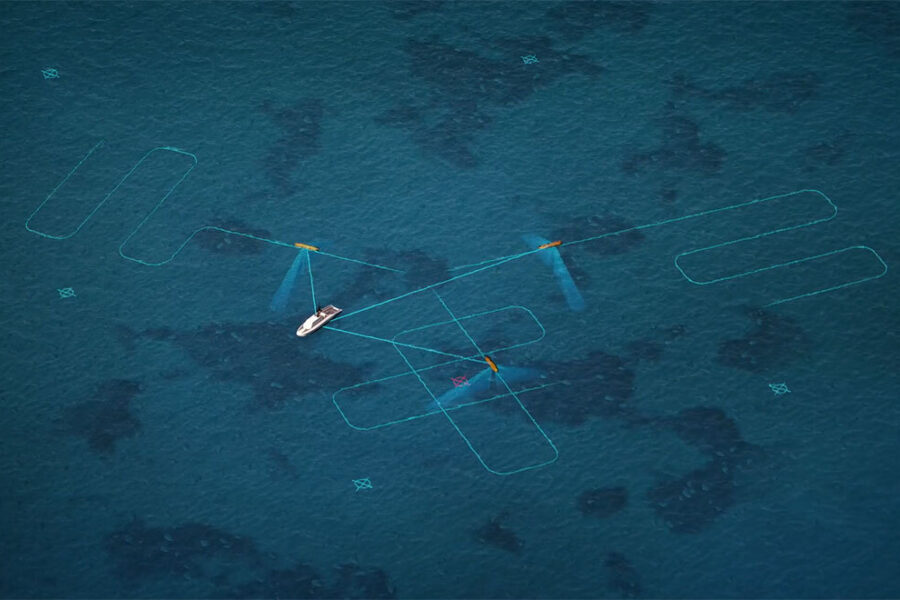
A key enabler of over-the-horizon operations is the use of uncrewed surface vehicles (USVs) as forward relay nodes. In this architecture:
- UUVs conduct subsea tasks at range
- USVs maintain communications and relay data
- Operators, supported by SeeTrack and Neptune, manage missions from stand-off positions
SeeTrack provides a unified interface for planning, monitoring, and supervising missions across multiple vehicles, while Neptune enables the vehicles themselves to operate with greater autonomy; reducing operator burden and maintaining mission continuity when communications are limited.
From Platform-Centric to Networked Operations
SeeTrack and Neptune underpin a shift from platform-centric operations to network-centric, distributed systems. Multiple UUVs and USVs can be coordinated as a single system, increasing operational flexibility and resilience. Importantly, this approach removes reliance on continuous human intervention. Autonomous behaviours, managed through Neptune and overseen in SeeTrack, allow missions to continue even when connections are disrupted; ensuring greater robustness in contested environments.
Extending Reach, Reducing Risk
By enabling UUVs to operate at distance with USV relay support, SeeTrack and Neptune help keep crewed vessels out of high-risk areas. In MCM operations, for example, this allows:
- Remote detection and classification of threats
- Reduced exposure of personnel and high-value assets
- More efficient use of specialist platforms
This aligns with modern naval doctrine, which prioritises remote, autonomous capability over direct exposure.
Enabling Persistent Presence
SeeTrack and Neptune also support persistent maritime operations. By coordinating fleets of autonomous systems, operators can maintain continuous coverage of critical areas, including:
- Ports and harbours
- Underwater infrastructure
- Seabed environments
- Long-duration survey missions
Autonomous tasking and adaptive mission updates ensure systems can return to areas of interest, monitor change, and respond rapidly; without the need for constant redeployment of crewed assets.
A Software-Driven Future
For Australian operators, the implications are clear. As investments in uncrewed systems and autonomous capability accelerate, the ability to integrate these technologies into coherent, networked solutions will be critical. BlueZone Group’s partnership with SeeByte positions Australian defence and industry stakeholders to access and implement these advanced architectures locally; supporting the transition toward distributed, software-driven maritime operations.
Over-the-horizon autonomy is no longer a future concept; it is an emerging operational reality. For those looking to Stay Ahead of the Tide, the question is no longer if these systems will be adopted, but how quickly they can be integrated into the mission.
For more information on the Seebyte’s SeeTrack and Neptune, please Contact the BlueZone Group sales team.
Read More:
SeeTrack: The Defence Ready Command and Control System for Maritime Autonomy – BlueZone Group
Mission Autonomy in Mine Countermeasures: Coordinating the Uncrewed Fleet – BlueZone Group
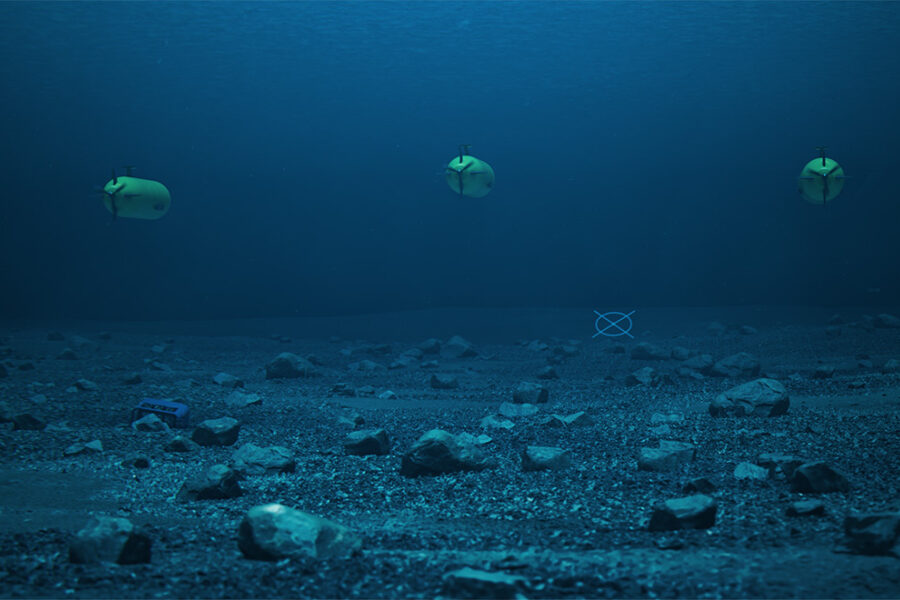
Neptune Software (Photo credit: Seebyte).