Description
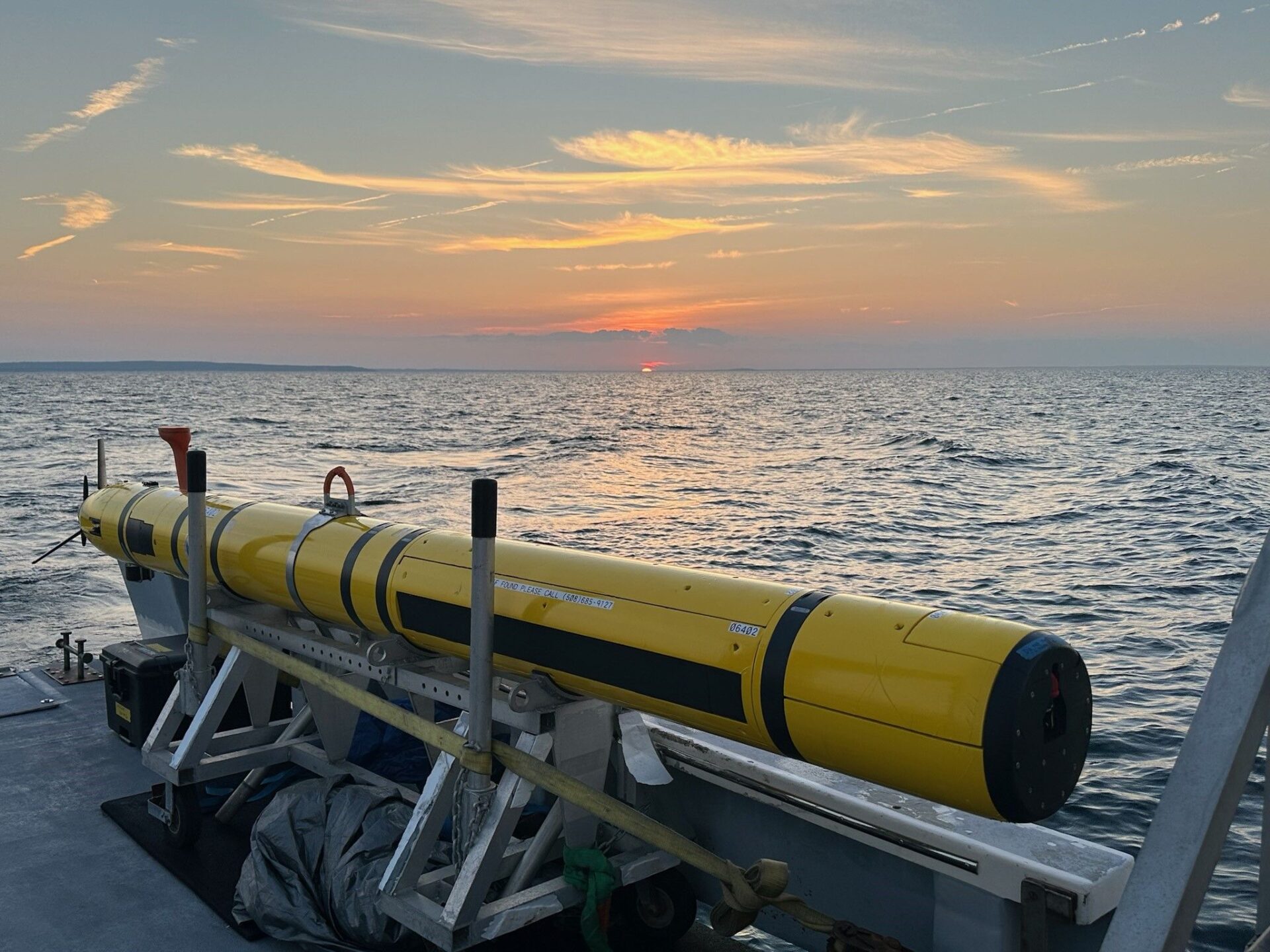
Kraken SAS
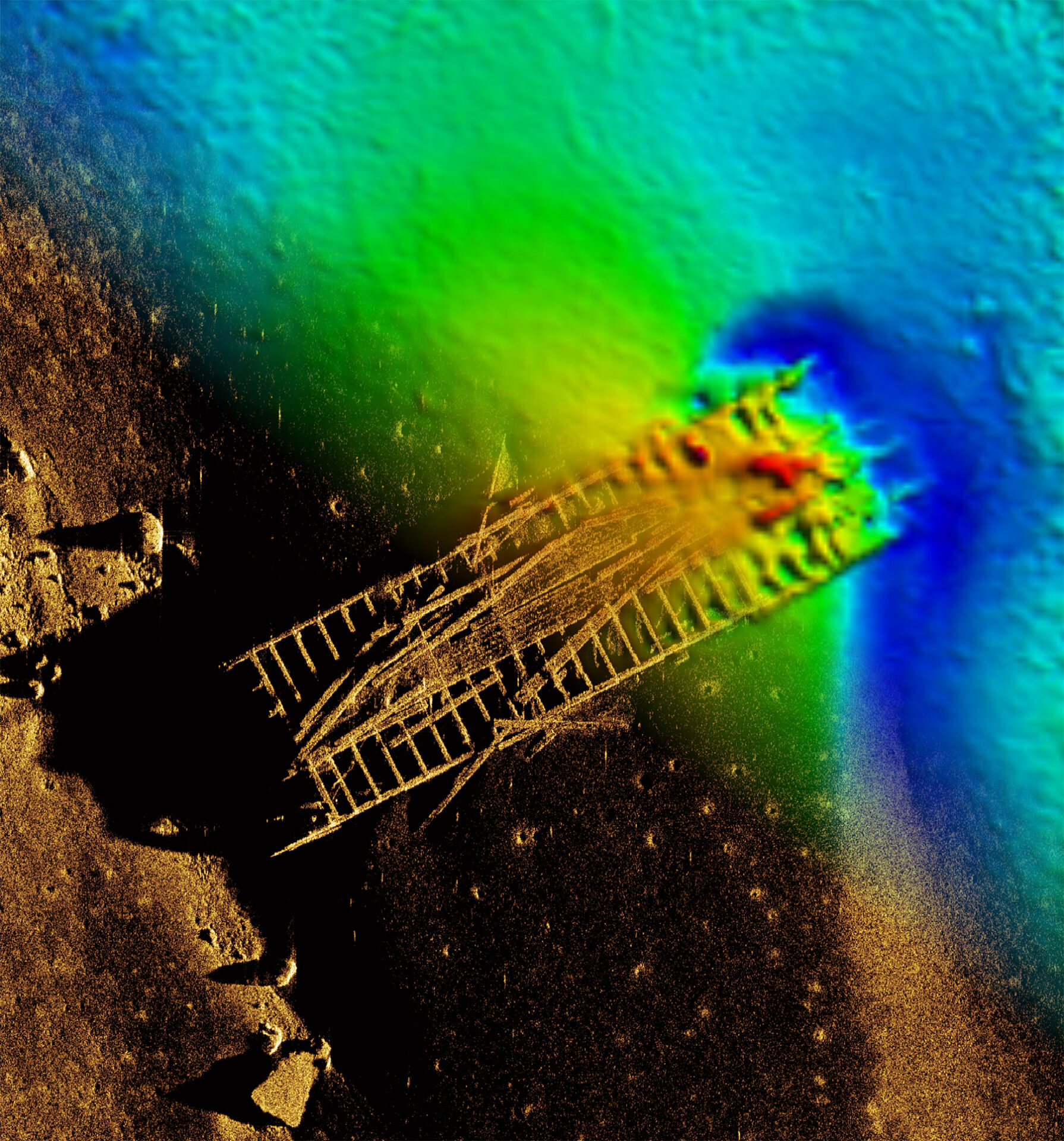
Kraken’s Synthetic Aperture Sonar (SAS) represents a major advancement in underwater imaging technology, combining high‑resolution imaging and bathymetric mapping in a single system. It delivers superior range, exceptional image clarity, and one of the highest Area Coverage Rates (ACR) available in the industry. Whether supporting mine countermeasures, safeguarding ports and harbours, assessing critical infrastructure, or conducting large‑scale habitat mapping, Kraken SAS provides higher‑quality data that enables faster, more informed, and more cost‑effective decision‑making
Key Features
- Works with platforms from man‑portable to large‑diameter UUVs
- Modular arrays: 60 cm, 120 cm, 180 cm
- Depth ratings: 300 m, 1000 m, 6000 m
- Up to 200 m per side range
- Consistent resolution across the full swath
- 3 cm × 3 cm real‑time SAS
- 2 cm × 2 cm post‑processed
- Collects bathymetry + focused sidescan together
- Real‑time processing with embedded ATR
- Higher coverage reduces mission time
- 2–3× faster than sidescan sonar
Kraken MP-SAS
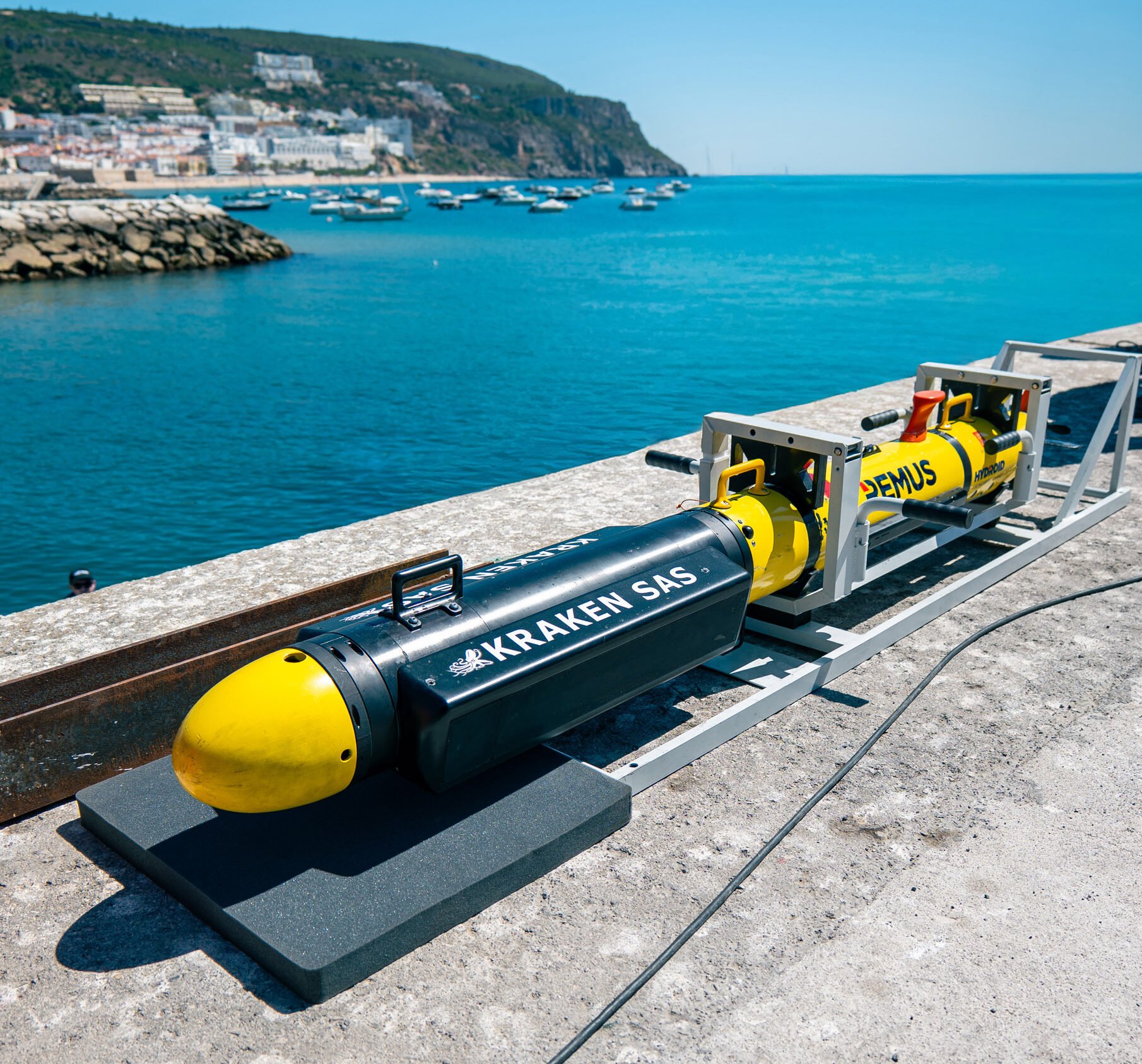
Kraken’s man‑portable Synthetic Aperture Sonar (MP‑SAS) is a compact, lightweight system designed to bring high‑end seabed imaging capability to small, low‑logistics UUV platforms. Building on the proven performance of Kraken’s advanced SAS technology, MP‑SAS has been purpose‑engineered with significant reductions in size, weight, and power consumption, enabling platforms with tight SWaP constraints to achieve premium‑grade sonar performance.
Key Features
- Fits small‑diameter UUVs (7.5 inches and above) while maintaining a 300 m depth rating
- Lightweight, efficient transducers deliver up to 100 m of imaging range per side
- Modular payload section attaches or removes in the field without recalibration, minimising downtime
- Designed for rapid integration across multiple UUV platforms with minimal mechanical changes
- Compact form factor supports low‑logistics, expeditionary operations
- Enables quick mission reconfiguration—ideal for multi‑role UUV deployments
Read More


