Efficiency Meets Agility: The U.S. Army’s Push for Autonomous Hull Maintenance
U.S. Army tests maritime innovation in a recent demonstration of a robotic hull cleaning system on an Army Logistics Support Vessel (LSV) at Pearl Harbour.
In a recent address, Admiral Christopher Grady, Vice Chairman of the Joint Chiefs of Staff, highlighted the need for robotic hull cleaning solutions to enable anytime maintenance, reduce hydrodynamic drag, improve vessel speed, and cut fuel consumption across naval platforms. In response to this operational demand, the U.S. Army progressed a rapid demonstration to validate‑ the technology on an Army LSV in Hawaii.
Rapid Execution Under Compressed Timelines
BlueZone Group is proud to represent Greensea IQ, who recently mobilised on short notice for an international exercise. Our partners shipped EverClean robotic systems from the U.S. East Coast to Hawaii and arrived ready to operate within four days.
Technical Outcomes
The event brought together Army boat crews, Army and Navy maintenance teams, Army dive units, Navy Salvage Divers, engineers, and industry representatives. The group assessed the utility of robotic hull cleaners in combatting marine fouling (e.g., barnacles, algae) and highlighted several benefits:
- Fuel Efficiency: Cleaning reduces drag; estimates cited by program officials indicate potential fuel savings on moderately fouled hulls in the 10–30% range.
- Speed and Performance: Fouling removal can increase speed by up to 10%, improving transit times and operational effectiveness.
- Handling and Manoeuvrability: Lower resistance improves control and responsiveness in varied conditions.
- Engine Health: Reduced drag eases engine workload, potentially extending equipment life and reducing maintenance demands.
- Hull Protection: Routine cleaning helps prevent corrosion, blistering, and structural degradation.
- Readiness and Cost Savings: A single operator can clean an LSV hull in ~6 hours using a robot, compared to ~one week for a dive team—freeing dive assets for higher priority missions and reducing port maintenance time.
Implications for Readiness
Observers characterise the Pearl Harbor demonstration as part of a broader push toward a wartime posture emphasising velocity, ingenuity, and collaboration. By integrating proven commercial robotic systems, the U.S. Army aims to reduce costs, improve platform performance, and keep vessels mission ready while redirecting specialised personnel (e.g. dive teams) to ‑more specialised, time‑critical tasks.
Note: The timelines, performance estimates, and program attributions summarised above reflect information provided by demonstration participants and associated program offices.
For more information on Greensea IQ’s EverClean Hull cleaning ROV, please Contact the BlueZone Group sales team.
Read More:
EverClean: Revolutionising Hull Cleaning with Robotic Precision
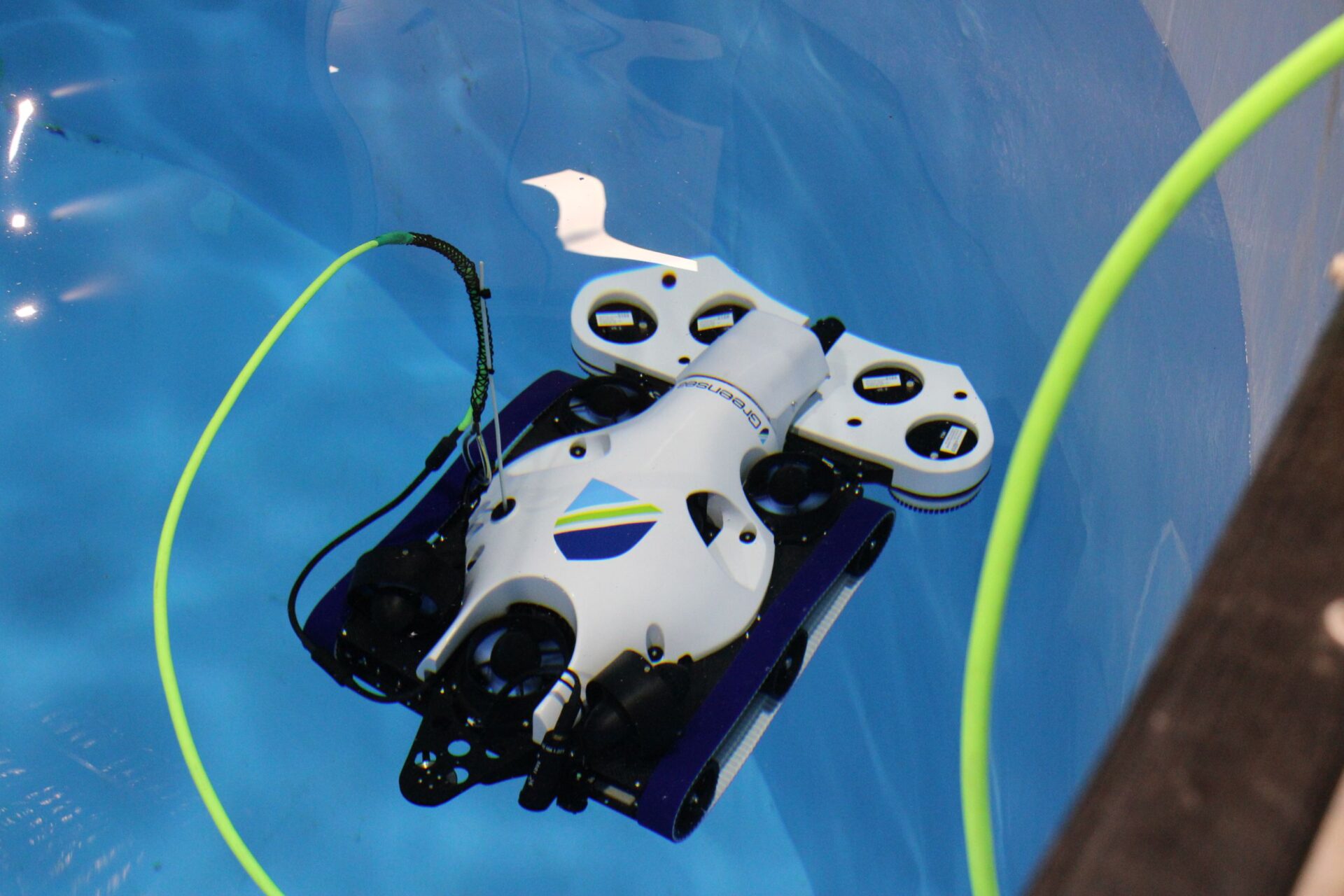
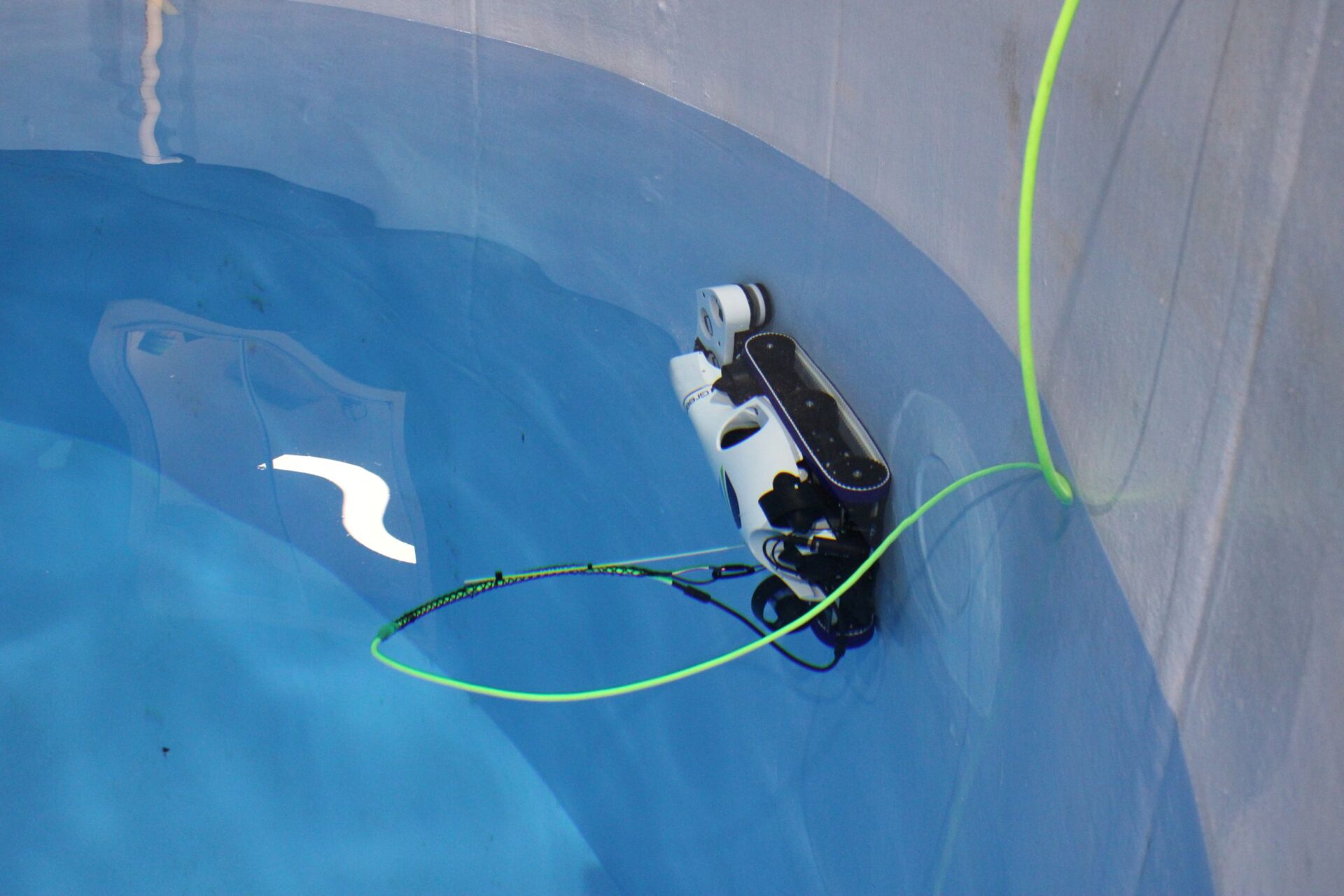
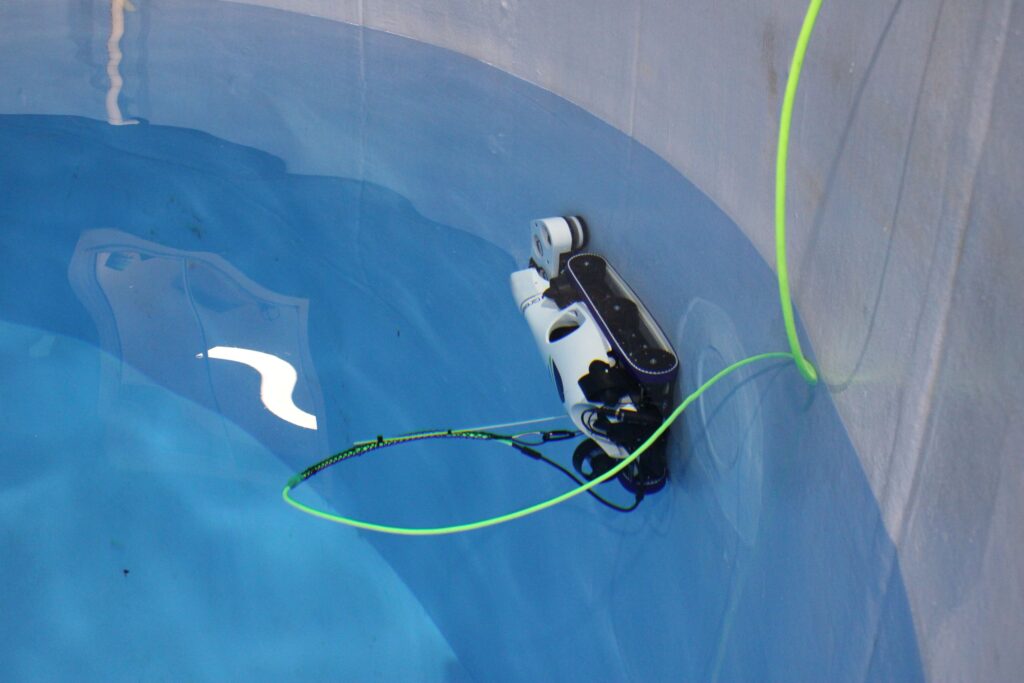
EverClean Hull Cleaning ROV (Photo credit: BlueZone Group).