
PLASTIC SUBSURFACE FLOATS
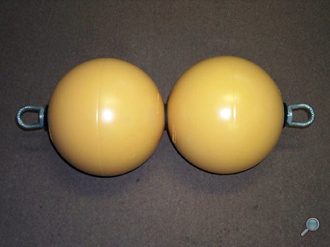
Mooring Systems, Inc. utilises plastic commercial fishing floats for use in a variety of instrument mooring applications. Configurations include; subsurface mooring flotation, instrument frame buoyancy, and pop-up recovery buoys for bottom mounts. The basic configuration of placing floats in series on a single strength member provides an inexpensive buoyancy alternative in relatively shallow water applications. Galvanized steel strength members and shackle attachment eyes provide 5,000 pounds of strength. Neoprene washers are used to protect the plastic when secured tightly on the steel rod. Floats are available in single double or triple assemblies.

STEEL SUBSURFACE FLOATS
Mooring Systems, Inc. manufactures steel flotation spheres for use in shallow-water oceanographic mooring applications. Steel spheres have been in use for over 30 years and continue to provide benefits to oceanographers and marine engineers for long-term deployment of instrumentation and sample collection apparatus. Steel floats are larger in volume than alternative plastic and glass floats, providing greater buoyancy per float. This advantage translates to better mooring performance as fewer floats for the same given buoyancy will result in lower drag.

Contact the sales team at BlueZone for more information on Mooring System’s subsurface floats.


Related products
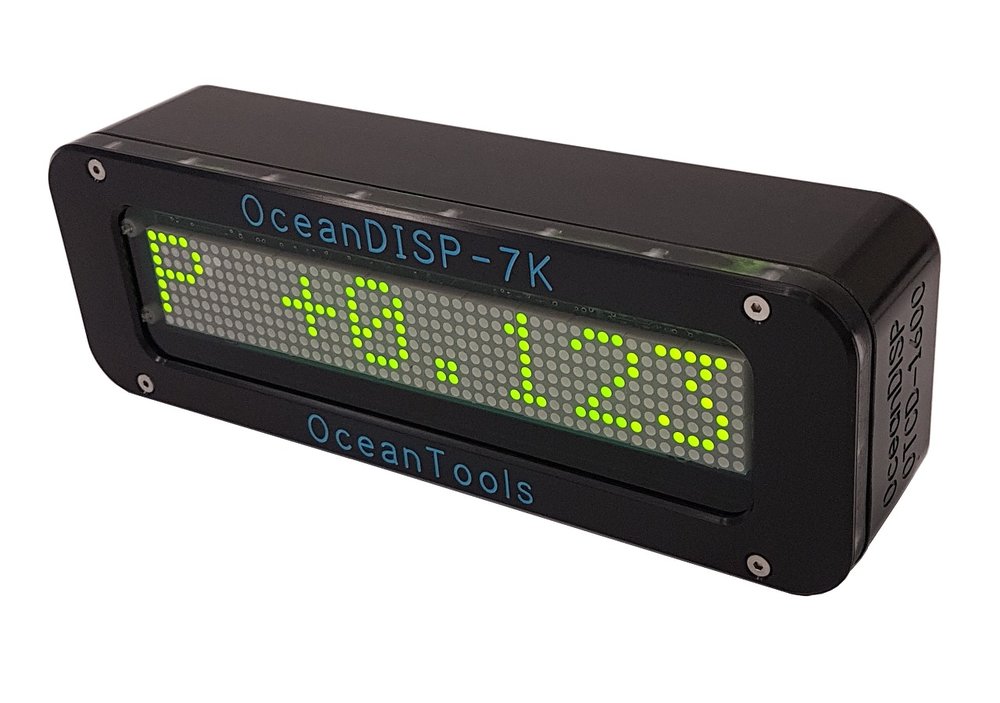
The OceanTools OceanDISP-7K is a versatile, light-activated deep ocean display unit capable of interfacing to the serial outputs of a wide range of subsea devices.
Read more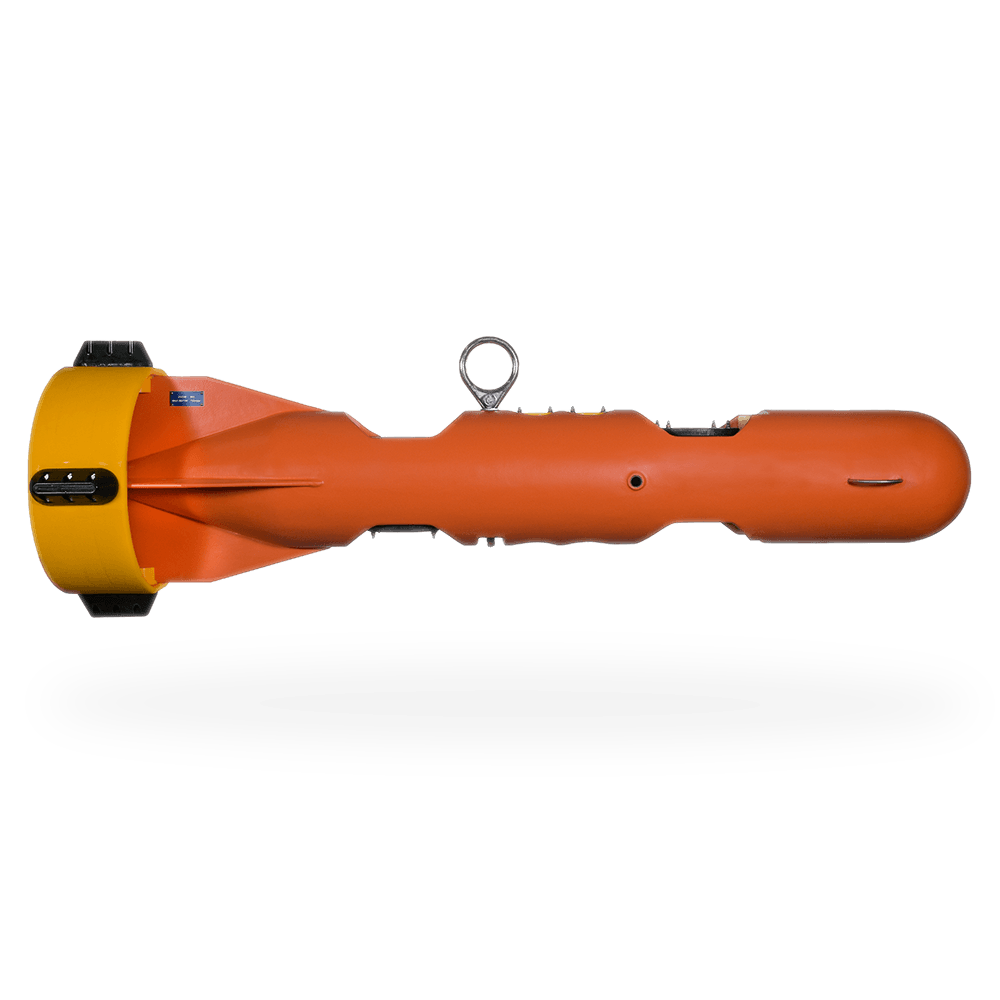
Deepwater Buoyancy StableMoor® Mooring Buoys
Specifically engineered for high current applications, the StableMoor® is designed to reduce drag and increase mooring stability in extreme flow regimes. By decreasing frontal area (compared to our standard spherical...
Read more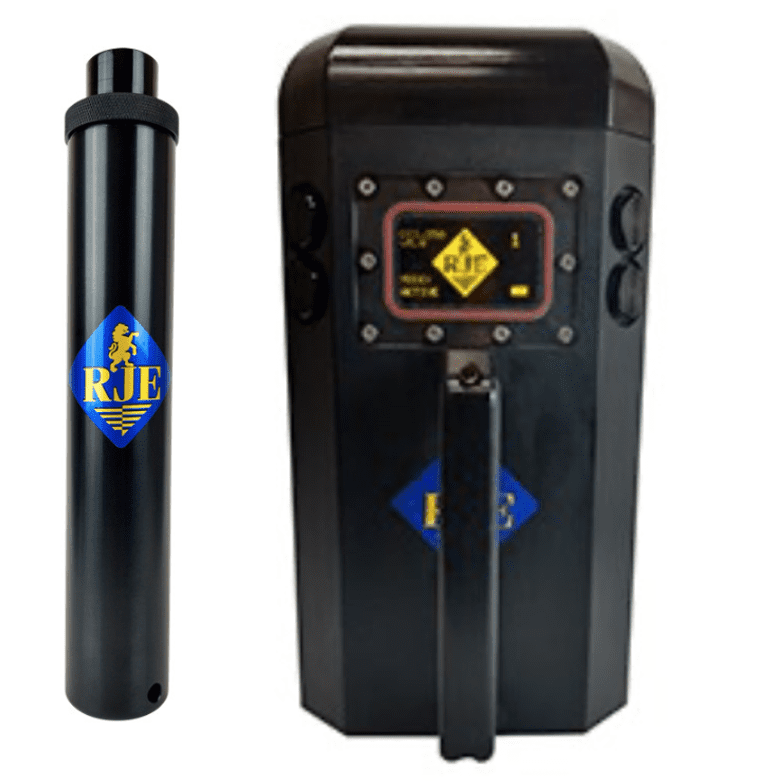
Emergency Relocation Transponder for Diving Bells
Commercial diving companies operating in an area that requires their diving bell to meet offshore standard DNV-OS-E402, must have an emergency locating system that meets section 305 of that standard.
Read more